DEDALUS publishes a podcast series on human-centred energy innovation

A four-episode podcast series explores how human-centred innovation can make the energy transition more inclusive, accessible and effective across diverse communities.
The DEDALUS project has launched its podcast series, a four-episode journey exploring how Europe’s energy transition can become smarter, fairer, and more inclusive when technology is designed around people’s real needs and everyday lives.
Through the voices of researchers, practitioners and local communities, the series explores what it takes to make residential energy innovation work in practice and enable citizens to play a more active role in the transition. All four episodes are now available online on this SPOTIFY channel.
The first episode, “Human first: when technology meets social sciences”, explores why technological innovation alone is not enough to optimise energy consumption, and why trust, acceptance, comfort, and user involvement from the design phase are essential. It also reflects on the need to broaden participation in the energy transition in an ageing European society.
The second episode, “From passive users to energy actors: communities and refugees take control”, takes listeners to Austria, where a residential complex near Vienna was able to protect residents from the energy crisis through participation in an energy community and a human-centred technological approach enabling refugees and other residents to play an active role in managing their energy use.
The third episode, “Inclusive energy in action: engaging with and listening to vulnerable communities”, focuses on a Danish pilot site where more than 60% of residents come from non-EU countries. It highlights the barriers that can limit participation — from language and digital literacy to mistrust and privacy concerns — and underscores the importance of empathy, cultural awareness and continuous dialogue when designing solutions for vulnerable communities.
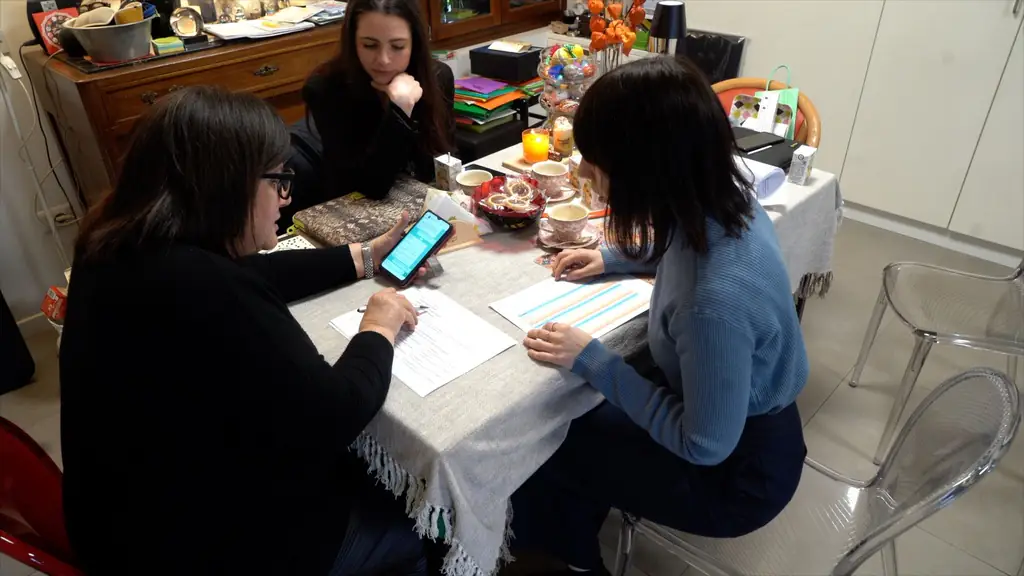
The fourth and final episode, “Comfort, energy, and inclusion: bridging the digital divide”, travels to Italy, to a co-housing community for people over 65. Through the story of Simonetta, one of the co-housing residents, it shows how personalised recommendations, human support and simple tools can help residents improve thermal comfort without increasing energy consumption, while ensuring that those less confident with digital technologies are not left behind.
Image by AstralEmber from Pixabay
Share:


Other updates