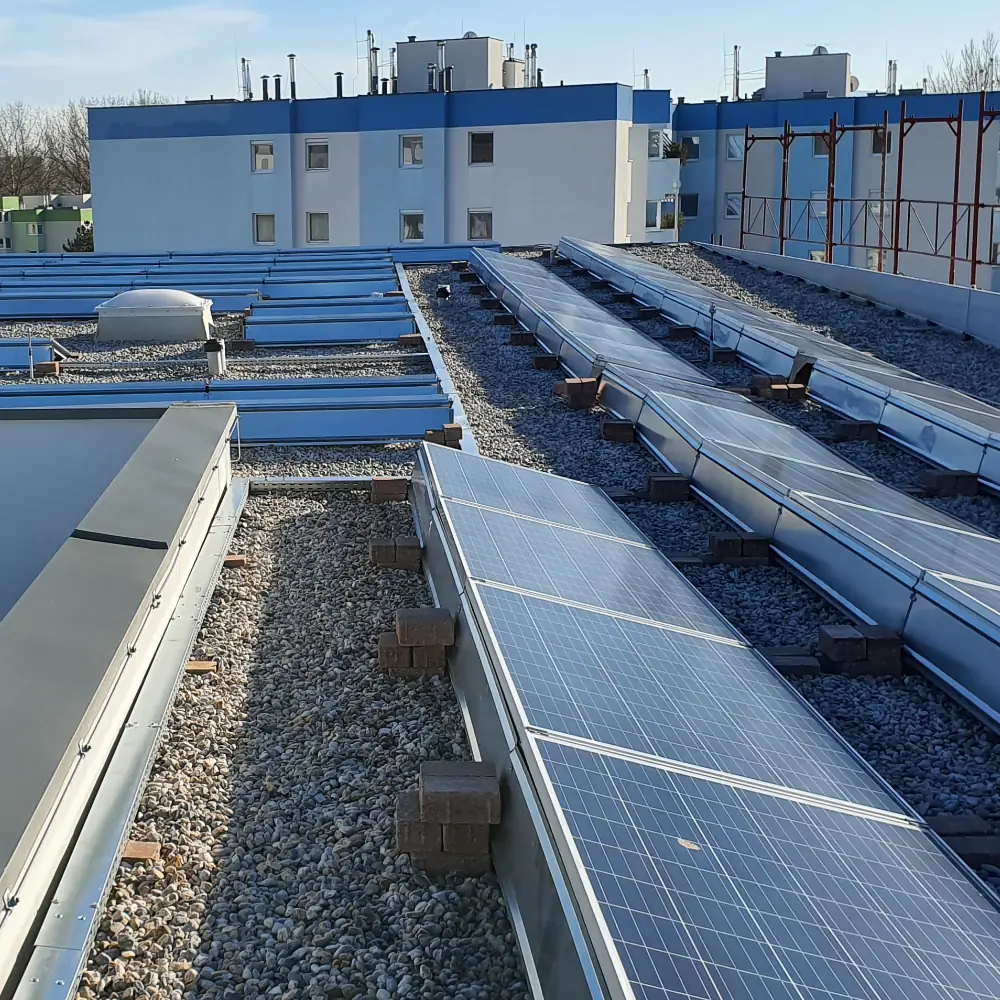
Wiener Neustadt (Austria)
Interoperable Digital Platforms for Residential Energy Communities
Pilot context
The Austrian pilot was implemented in a multi-unit building complex in Wiener Neustadt, involving 84 apartments and 20 offices. Equipped with photovoltaic systems, battery storage, smart meters, and EV charging stations, the site provided a real-life environment for testing integrated energy community services
Key results
A 48.26% reduction in energy costs, a 16.89% increase in self-consumption, and the engagement of 100 consumers in residential demand response activities.
Replication relevance
Successful replication depends on interoperability, coordinated system design, and user support developed in parallel with technical deployment.
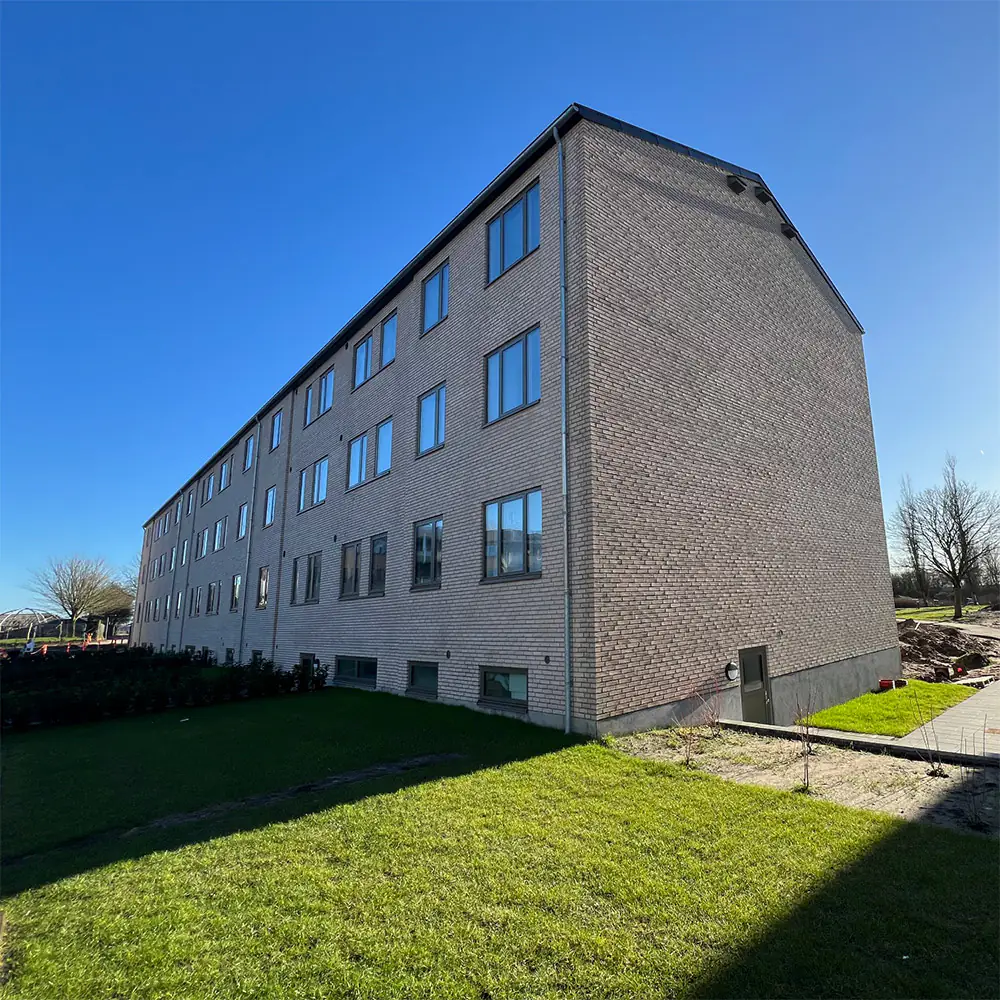
Herning (Denmark)
Digital Comfort and Flexibility Services for Social Housing
Pilot context
Implemented across two renovated residential blocks in Herning, the Danish pilot covered 56 social housing apartments, combining district heating optimisation with indoor climate management.
Key results
The pilot achieved 27–31% heating savings, a 30% reduction in operational costs, and a 30% decrease in carbon emissions linked to district heating. It also enrolled 32 out of 56 apartments despite significant socio-technical barriers.
Replication relevance
Successful replication in social housing depends not only on technical performance but also on accessibility, personalised onboarding, and continuous user support.

Five pilot locations (Greece)
Multi-vector Demand Response for Residential Flexibility
Pilot context
Implemented across Athens and other cities, the Greek pilot deployed a multi-vector demand response approach across over 130 households, combining electricity and heating flexibility.
Key results
The pilot achieved 37.88% gas savings and 34.6% electricity efficiency, while successfully mobilising 2.03% of aggregated flexibility. It also delivered a 29.87% reduction in gas costs and significantly improved user comfort.
Replication relevance
Successful replication of multi-vector demand response depends on interoperable systems, integrated forecasting and control, and continuous user engagement. Clear communication and practical familiarisation are essential to support participation.
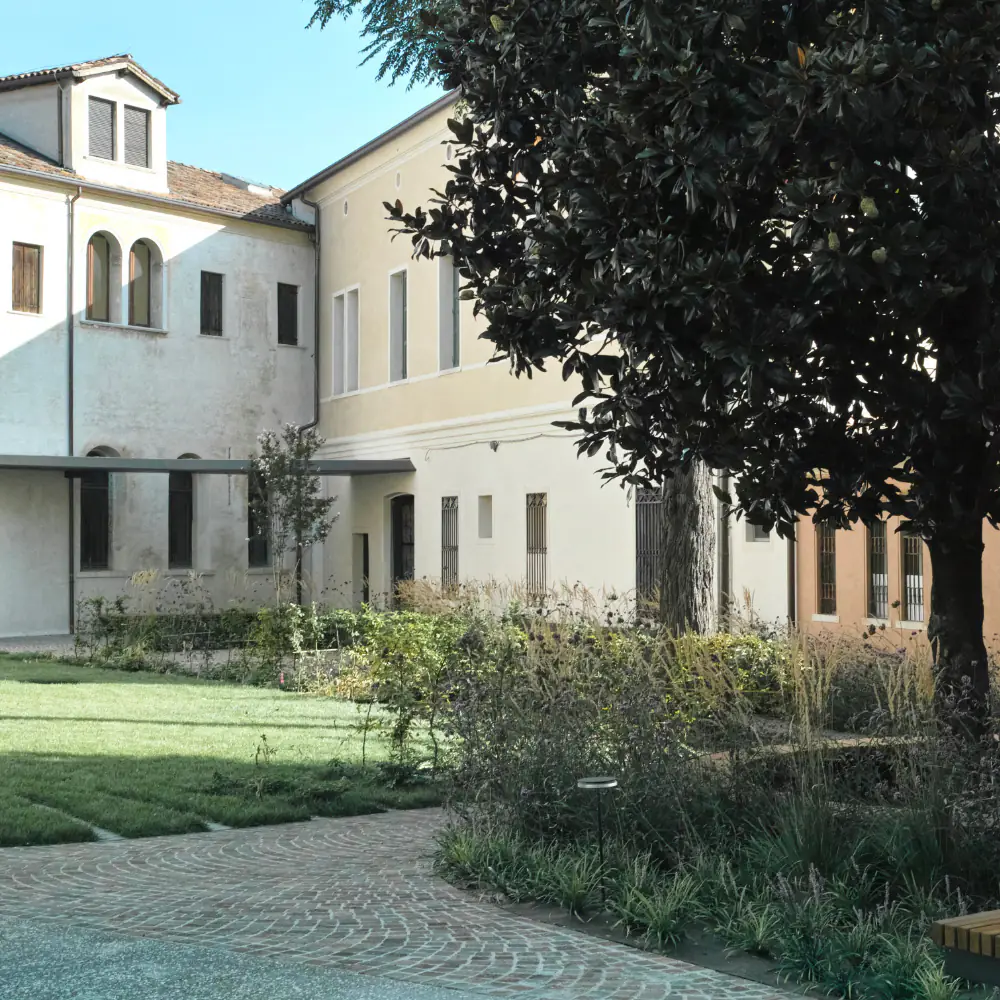
Treviso (Italy)
Comfort-aware Energy Management for Elderly Residents
Pilot context
Implemented at Borgo Mazzini Smart Co-housing in Treviso, the Italian pilot tested comfort-aware energy management across 16 apartments in a senior living environment.
Key results
The pilot achieved 99% thermal comfort assurance, reducing thermal discomfort to 1%. It also confirmed the feasibility of combining monitoring, comfort modelling, and digital twin functionality in a vulnerable-user residential setting.
Replication relevance
Successful replication in vulnerable-user contexts depends on comfort-aware energy management, integrated monitoring, and accessible engagement formats. In elderly living environments, care staff can play a key role in supporting participation and trust.
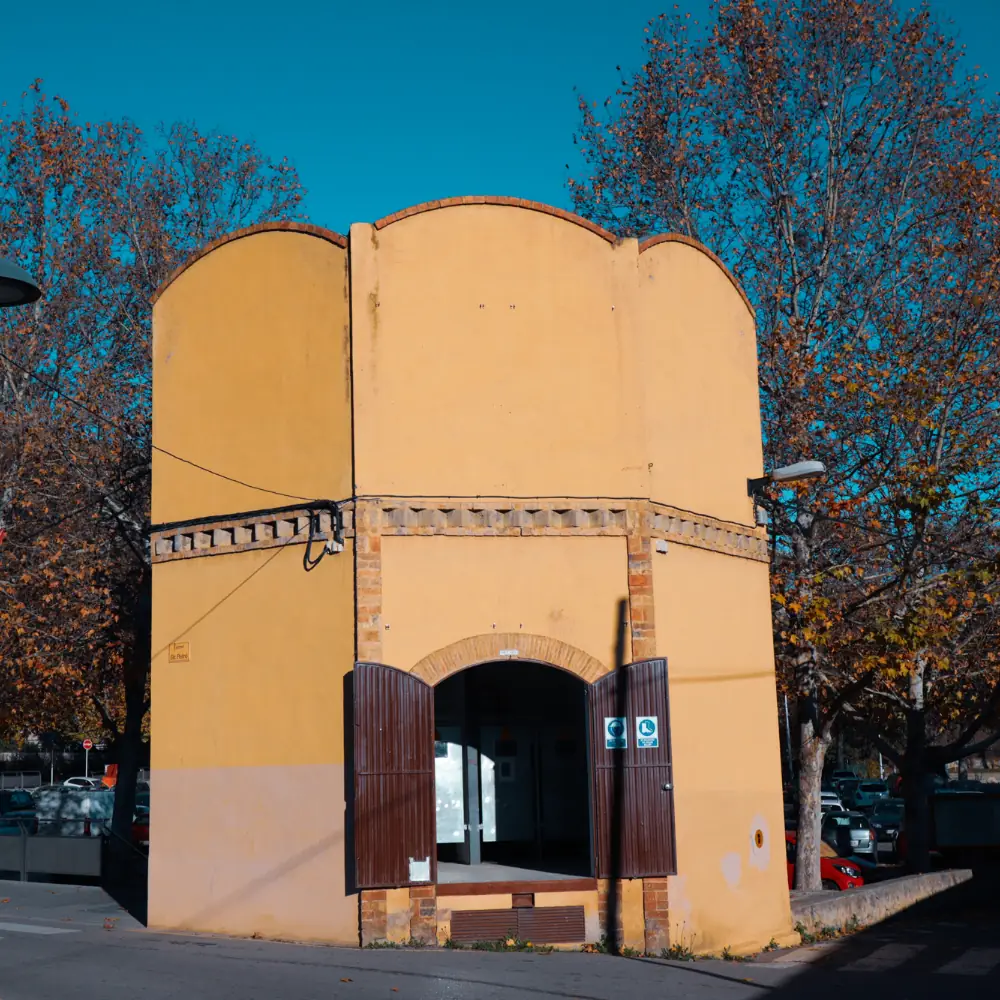
La Seu d'Urgell (Spain)
District-level Energy Optimisation for Energy Communities
Pilot context
Implemented in La Seu d’Urgell, the Spanish pilot tested district-level energy optimisation in a local energy community involving 12 dwellings.
Key results
The pilot mobilised 62% aggregated flexibility, increased self-consumption to 59%, and achieved a 56% reduction in carbon emissions. It also confirmed the potential of shared storage to support community-level energy optimisation.
Replication relevance
Successful replication of district-level demand response depends on interoperable systems, shared storage, and optimisation models adapted to local regulatory frameworks.
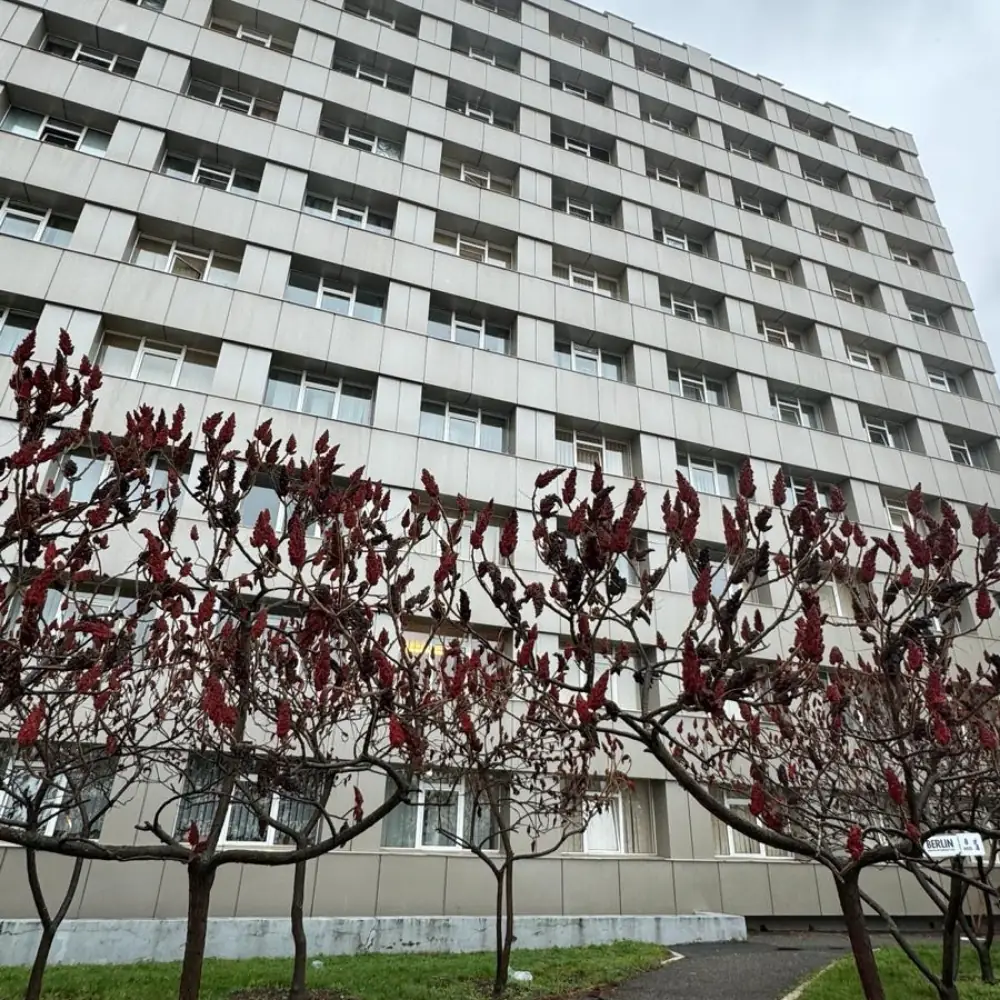
Cluj-Napoca (Romania)
Data-driven Residential Flexibility for Student Housing
Pilot Context
Implemented across two dormitory buildings with 468 rooms, the Romanian pilot tested data-driven residential flexibility in a student housing environment.
Key Results
The pilot achieved a 21.3% increase in energy efficiency, mobilised 13.81% of aggregated flexibility, and delivered a 24% reduction in carbon emissions. It also engaged 152 consumers in residential demand response activities.
Replication Relevance
Successful replication depends on interoperable data models, predictive digital twin services and clear user familiarisation with advanced digital tools. Student housing can provide a strong testbed for adapting residential flexibility services.



