DEDALUS Discoveries | New study shows how advanced technology may help buildings participate in demand-response programs

The study highlights how artificial intelligence, blockchain, and smart systems can enable buildings to actively support smart grids, overcoming regulatory and technical challenges for economic and environmental benefits.
The study provides an in-depth analysis of technological advancements for enabling buildings to actively participate in smart grid demand-response programs. It was conducted as part of the DEDALUS project by the Technical University of Cluj-Napoca (TUC) and the National Technical University of Athens (NTUA), and recently published in Energy & Buildings.
The research offers valuable insights for academics, industry leaders and policymakers, shedding light on both opportunities and challenges in integrating advanced solutions into smart buildings.
The analysis underscores the critical role of innovative technologies such as AI-driven energy prediction models, blockchain for secure and transparent transactions, and interoperable systems that enable seamless communication between devices. These advancements are pivotal in enhancing energy flexibility and ensuring the efficient integration of buildings into smart grids. Furthermore, the transformative potential of decentralized technologies, particularly blockchain, is highlighted as a key enabler in fostering transparent and secure energy marketplaces.
However, the adoption of demand response programs is hindered by several barriers, including ambiguous regulatory frameworks, technical compatibility issues among building systems, and persistent concerns regarding data privacy. It is essential to address these obstacles to fully unlock the potential of these initiatives.
Despite these challenges, the economic and environmental advantages of demand response programs are significant. By aligning energy consumption with renewable energy production, such programs not only reduce costs for consumers but also enhance grid stability and contribute to ambitious decarbonisation targets.
These innovations enable buildings to evolve from passive energy consumers into active contributors to grid stability and sustainability.
“At NTUA, we are committed to advancing research that drives the energy transition through cutting-edge technology. Our collaboration with TUC has enabled us to explore innovative solutions for optimising demand response in smart grid-integrated buildings. By reviewing technology enablers and addressing innovation challenges, we aim to contribute to a more sustainable and efficient energy future,” stated Elissaios Sarmas, researcher ad DSS Lab of NTUA.
“This research emphasizes how emerging technologies like AI and blockchain can fundamentally transform buildings into proactive players within energy grids and demand-response programs. By unlocking their potential, we can accelerate Europe’s journey toward a more sustainable and resilient energy ecosystem. However, achieving this requires a concerted effort among stakeholders—policymakers, industry, and researchers—to address regulatory gaps, foster collaboration, and implement unified strategies for seamless integration,” explained Tudor Cioara – professor and s
For full access to the study, click here for download
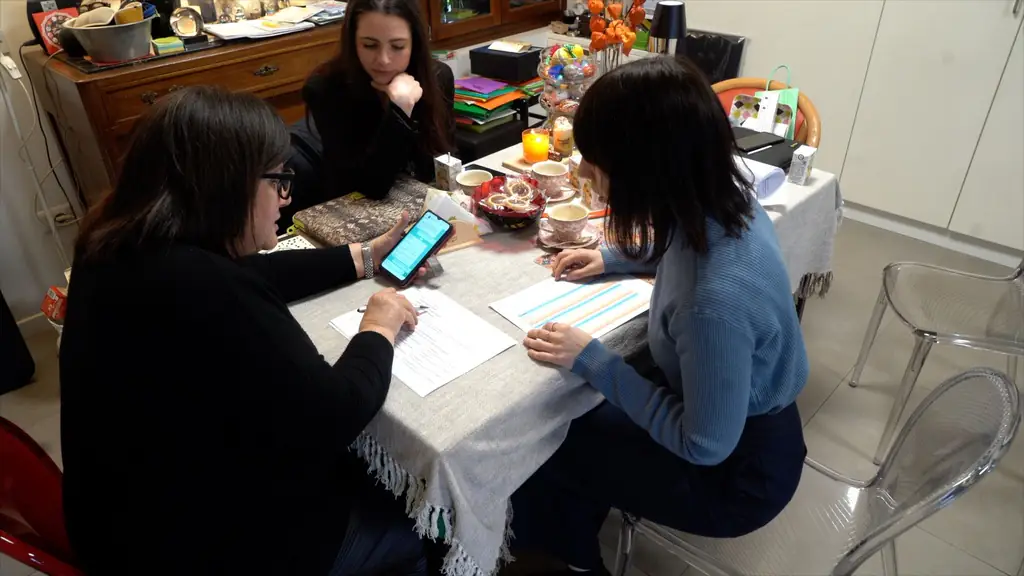
(Photo Credits: Armando Capochiani)
Share:


DEDALUS Discoveries | Revolutionising Energy communities: blockchain and game theory drive cooperation among prosumers
Researchers at the Technical University of Cluj-Napoca have developed a blockchain-based approach using evolutionary game theory to enhance cooperation, efficiency, and equity in transactive energy communities.
Researchers from the Distributed Systems Research Laboratory at the Technical University of Cluj-Napoca, a DEDALUS partner, have introduced a novel approach to enhancing efficiency and cooperation in transactive energy communities.
Published in Energy & Buildings, a prestigious peer-reviewed journal focusing on energy efficiency, sustainable design, and advanced building technologies, the Open Access study “Evolutionary Game for Incentivizing Social Cooperation of Prosumers in Transactive Energy Communities” employs evolutionary game theory, specifically the Hawk-Dove model, to optimise peer-to-peer (P2P) energy trading among prosumers—households that produce and consume energy.
In this model, prosumers adopting a “Dove” strategy align their energy usage with community needs, while “Hawks” prioritises personal gains. Implemented on a blockchain-based local energy market, the approach incentivizes collaboration by rewarding actions that benefit the community and deterring behaviors driven by personal gain.This fosters equitable energy sharing, enhances energy flexibility, and ultimately promotes overall community welfare.
Key results based on real-world energy data and blockchain-based simulations include:
- 92% of transactions evolve towards cooperative behaviours by the end of market sessions.
- Traded energy increases by up to 50%, driven by prosumers adapting their behaviours.
- Transaction costs decrease by 3%, highlighting both economic and social benefits.
“This research demonstrates how advanced game theory and blockchain technology can transform local energy markets, fostering resilience and collaboration within energy communities,” said Tudor Cioara, Director of the Distributed Systems Research Laboratory.
To learn more, download here the full paper.
Share:
DEDALUS project team meets in Athens to discuss co-creation, interoperability, digital twins and more

The Dedalus project team has met in Athens to discuss its work to revolutionise residential demand-response as the project enters its second year.
Last September, DEDALUS partners met in Athens to discuss the significant strides the project has made in integrating advanced technological solutions for managing energy demand in residential settings, which make the system “agnostic” to different energy carriers. This approach is essential to fostering more sustainable energy consumption in households, thanks to an interoperable and secure infrastructure that prioritises flexibility.
A core aspect of the project is the integration of co-creation methodologies and socio-economic tools to engage users in energy decision-making. Through workshops held at pilot sites, DEDALUS collected direct feedback from users, enhancing the design and acceptance of the proposed solutions. This participatory process not only builds trust but also empowers users to play an active role in the energy transition within their own homes.
DEDALUS has developed key technologies, including digital twins, which facilitate flexible planning between resources and consumers, and advanced energy demand management models that are adaptable to various types of residential users. The infrastructure, based on the FIWARE Context Broker, ensures interoperability, allowing smart devices to interact seamlessly. Moreover, blockchain-based technologies have been implemented to protect data privacy and security, a crucial element in an increasingly interconnected energy landscape.
The pilot sites have benefited from the installation of smart meters, environmental sensors, and other essential devices for advanced energy demand management. A performance indicator system has also been developed to monitor the impact of these technologies, assessing their effects not only from a technological perspective but also in terms of social, economic, and environmental aspects. This approach allows residential consumers for a comprehensive understanding of how innovations affect users’ lives and overall energy efficiency.
On the technical side, the project has focused on refining the software architecture and integrating advanced security services. Machine learning analysis of consumption profiles helps to identify Demand Response (DR) potential, highlighting the role of user behavior and data integration. This collaborative effort provides valuable insights for advancing the residential DR sector and promotes intelligent energy use.
In recent months, DEDALUS has launched a pre-pilot phase to test technological solutions at the demo buildings. Although some devices are still being installed, they are expected to be fully operational by the end of 2024. During this initial phase, users have been actively involved, providing feedback that will help improve the solutions. A social engagement plan has also been developed to motivate residents and make them active participants in the DR programs.
One of DEDALUS’s key objectives is to ensure that the solutions developed can be replicated in other European contexts. To achieve this, the project has identified and continuously monitors key results, with the aim of developing effective business models and intellectual property strategies. In parallel, ongoing discussions with regulatory bodies and energy authorities are paving the way for the adoption of common standards, creating a favorable framework for secure data sharing and widespread implementation of Demand-Response solutions.
Share:
Dedalus Discoveries | Unlocking blockchain tokens: key valuation factors and new applications
This study, released by the Technical University of Cluj-Napoca, explores blockchain token valuation, identifying key market factors and applications to enhance DEDALUS demand-response strategies through innovative tokenomics.
The Technical Department of Science of the Technical University of Cluj-Napoca, as a partner of the DEDALUS project, has released the paper “ Review of Blockchain Tokens Creation and Valuation” in the field of the project.
This study addresses the challenges in the valuation and application of blockchain tokens by reviewing existing literature to identify the main factors influencing their value, investment potential, and use. While blockchain tokens offer benefits like easier market access, increased liquidity, and automated processes, their valuation remains difficult due to a lack of intrinsic value, high volatility, and regulatory uncertainty. Using the PRISMA methodology and the Web of Science database, the study explores the technical aspects of token development, including their creation, issuance and management on the Ethereum blockchain using smart contracts. It identifies key factors impacting tokenomics, such as demand and supply, market conditions, macroeconomic trends, and social incentives, and it highlights promising use cases in areas like asset digitisation, supply chain management, and governance.
Aligned with these insights, the DEDALUS project aims to create an innovative platform powered by blockchain and AI technologies, potentially transforming how buildings participate in demand-response programmes. By utilizing blockchain tokens, new strategies for citizen engagement and flexible compensation can be developed, going beyond traditional financial incentives to include values like sustainability and local economic support. This approach could redefine the value proposition of demand response, aligning it with broader societal and environmental goals.
The full paper is available at this link on the Resources section of the project website.
Share:
Other updates