BRIDGE General Assembly 2026 | Geopolitical instability highlights need for smart and flexible electricity grids
BRIDGE General Assembly 2026 highlighted how innovation, data and citizen engagement are shaping Europe’s energy transition in a context marked by geopolitical instability, energy market volatility and increasing systemic challenges.
Set against a backdrop of geopolitical instability and energy market volatility, during the last edition of the BRIDGE General Assembly, representatives from the European Commission emphasised that reducing dependence on fossil fuels and strengthening energy sovereignty is no longer optional, but a strategic necessity. In this context, the energy transition – driven by renewables, digitalisation, and system integration – was identified as the cornerstone of Europe’s long-term resilience.
Moreover, BRIDGE General Assembly 2026 highlighted how innovation, data, and citizens are shaping Europe’s energy transition.
A key message emerged from the opening session: the future of Europe’s energy system will depend on grids that are not only cleaner, but also smarter, more flexible, and digitally enabled. With renewables accounting for an increasing share of the electricity mix, the need for advanced grid management, storage solutions, and real-time coordination has become central.
The Assembly also highlighted the growing importance of data governance and access to high-quality data, identified as one of the main barriers to scaling digital and AI solutions in the energy sector.
Present at the 2026 BRIDGE General Assembly, DEDALUS – represented by its coordinator Diego Arnone (Engineering) – followed and contributed to discussions across all four Working Groups, reaffirming its commitment to advancing innovation, collaboration and policy alignment in Europe’s energy transition.
Within the breakout session of the Working Group on Consumer and Citizen Engagement, DEDALUS was highlighted as a case study, reflecting its contribution to earlier BRIDGE activities, including a spotlight session and a dedicated workshop where it presented its SSH framework.
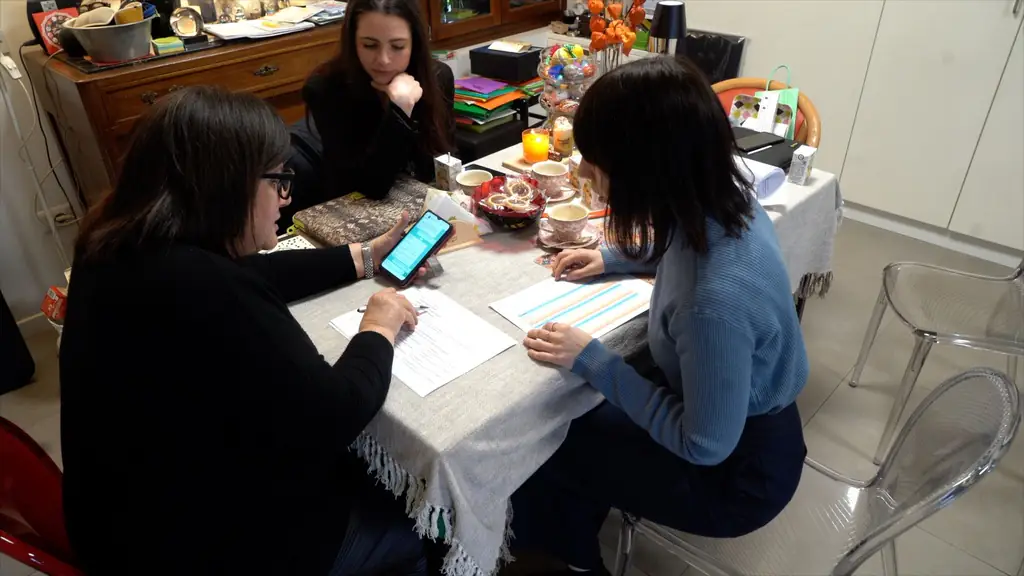
Discussions emphasised the critical role of trust, inclusivity and user-centred approaches in the energy transition. Key points included the need to move beyond one-size-fits-all engagement strategies to better reach vulnerable groups; the importance of co-creation and long-term community involvement; and the value of integrating social sciences and humanities perspectives into the design and implementation of energy solutions.
Photo by Matthew Henry on Unsplash
Share:


Other updates