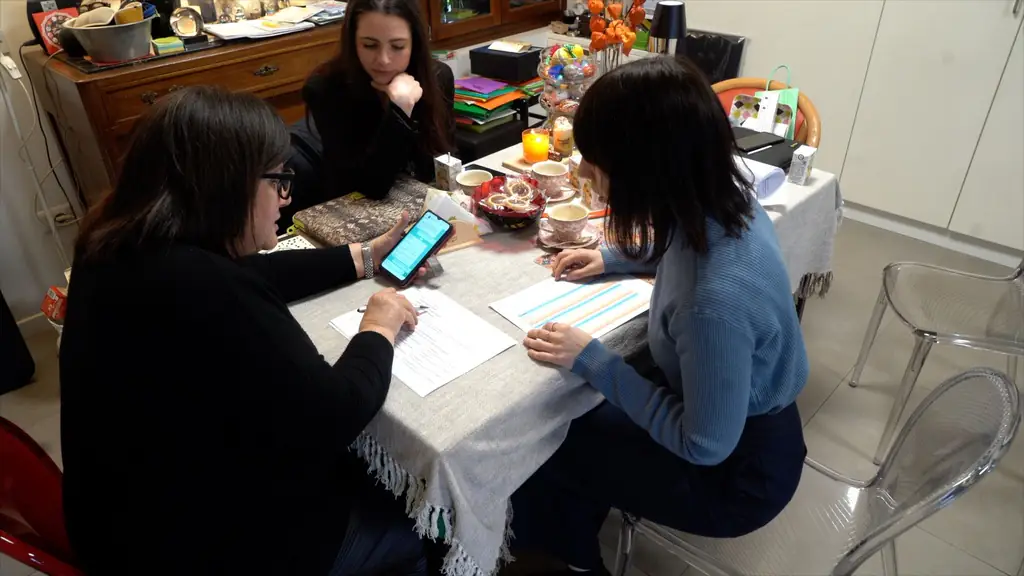
DEDALUS at BRIDGE workshop: Advancing user engagement and inclusivity in the energy transition

The DEDALUS project participated in the BRIDGE workshop, highlighting trust and inclusivity as structural pillars of the energy transition and engaging in a constructive dialogue with the SUPERSHINE project on advancing participatory pathways for citizens.
The DEDALUS project participated in the workshop “Capacity Building, User Engagement & Inclusivity” organised by the Subgroup “Strategies of Engagement”, as a part of the Working Group “Consumer and Citizen Engagement” of the BRIDGE initiative, last week.
The workshop provided an opportunity to share insights from DEDALUS’ implementation across seven European countries, while also learning from complementary experiences such as those of the SUPERSHINE project in the field of social housing renovation.
The workshop was enriched by a conceptual contribution from academic expert Johanna Hofman, from Eindhoven University of Technology, who emphasised the need to move from instrumental engagement models to more relational and context-sensitive approaches. Her intervention framed social acceptance and energy literacy as evolving social practices embedded in participation.
Why this discussion matters for DEDALUS
Demand response and flexibility mechanisms are central to Europe’s decarbonisation pathway. However, their success depends not only on technical optimisation, but on users’ willingness, trust, and perception of value.
DEDALUS was designed precisely to address this challenge: combining social science, behavioural research, and technological innovation to enable more effective and inclusive participation in demand response schemes.
During the workshop, DEDALUS presented its human-centred approach and shared practical evidence from pilots involving diverse user groups.
Key Highlights from DEDALUS
- Engagement must be embedded from the beginning: DEDALUS demonstrated that user engagement cannot be treated as a dissemination activity added at the end of the project. It must shape the design of tools, communication strategies, and pilot implementation from the outset;
- Trust is the primary driver of participation: Across pilots, trust emerged as more influential than financial i incentives alone. Users are more likely to engage in flexibility schemes when they feel confident that their comfort, autonomy, and privacy are respected;
- Comfort outweighs purely financial motivations: While economic savings are relevant, DEDALUS findings show that users prioritise comfort and control of their living environment. Demand response solutions must therefore be framed around well-being and simplicity, not only cost reduction;
- Human mediation makes the difference: At several pilots, especially those involving vulnerable groups, the presence of trusted local intermediaries — such as housing operators or care home staff, significantly increased participation and reduced resistance;
- Energy literacy develops through participation: DEDALUS confirmed that energy knowledge does not need to precede engagement. Through co-creation workshops and tailored communication, users progressively built understanding and confidence in demand response mechanisms;
- Tailored approaches are essential for inclusivity: From multilingual documentation in Denmark to simplified, non-digital engagement formats for elderly residents in Italy, DEDALUS adapted its methods to local realities. Inclusivity proved to be a practical design choice, not a theoretical principle.
Learning through BRIDGE: Dialogue with SUPERSHINE
While DEDALUS focuses on demand response, the workshop also featured insights from the Horizon project SuperShine, which addresses social housing renovation through participatory pathways.
The exchange highlighted strong convergence points
- Tangible results reinforce credibility and capacity;
- Building requires dedicated resources and skilled facilitators;
- Acceptance must be treated as a process over time.
DEDALUS within BRIDGE: Strengthening the social pillar
Through its active involvement in BRIDGE activities, DEDALUS contributes to advancing a more integrated approach to energy innovation — one that recognises behavioural dynamics, inclusivity, and social acceptance as structural elements of project success.
The workshop reinforced a central message: the energy transition is not only technical — it is relational. Projects must move beyond transactional engagement models and adopt trust-based, context-sensitive strategies that empower users rather than merely informing them.
“The BRIDGE Strategies of Engagement’ subgroup welcomed the contribution of DEDALUS and other projects to this collective reflection. The workshop confirmed that user engagement, inclusivity, and capacity building are not complementary activities, but structural dimensions of successful energy innovation“, said Valeria Palladino, co-leader of the subgroup. “Cross-project dialogue remains essential to move from isolated engagement practices towards more systemic, relational approaches across the European energy transition ecosystem”.
(Ph.Credits: Pexels)
Share:


DEDALUS features in two key BRIDGE reports on sector integration and energy sharing
The project has contributed to two BRIDGE Initiative reports supporting regulatory innovation in energy system integration and citizen-driven energy sharing.
From the outset, DEDALUS has been an active contributor to the regulatory working group of the BRIDGE initiative, led by the European Commission, providing inputs on two key dimensions of the energy transition:
- the integration of energy sectors (electricity, heating, mobility, smart buildings),
- the development of frameworks for energy sharing among citizens, communities and territories, including peer-to-peer trading.
Through its experimental and research activities, DEDALUS has offered its insights on:
- the interaction between electric and thermal systems,
- the deployment of digital, decentralised solutions at household level,
- the identification of persistent regulatory barriers (fragmented rules, limited data access, lack of tailored incentives),
- the promotion of participatory governance models to support energy management at the local scale.
DEDALUS has also taken part in the European conversation on energy sharing, contributing to the analysis of national legal frameworks and highlighting good practices and gaps across Member States. These efforts aim to foster a more equitable, interoperable and citizen-centric energy system across Europe.
The BRIDGE reports: project-based evidence to inform EU policymaking
DEDALUS’ activities and contributions have been included in two official reports published in July 2025 by the BRIDGE Regulation Working Group. These reports consolidate the experiences of over 30 Horizon Europe and H2020 projects and offer strategic guidance to EU and national institutions working to align policy frameworks with the goals of the European Green Deal.
Below the links for download of the two reports:
- Supporting Potential Synergies from Increased Sector Coupling, Sector Integration and System Integration
- Report on Energy Sharing
Share:
Dedalus joins BRIDGE initiative
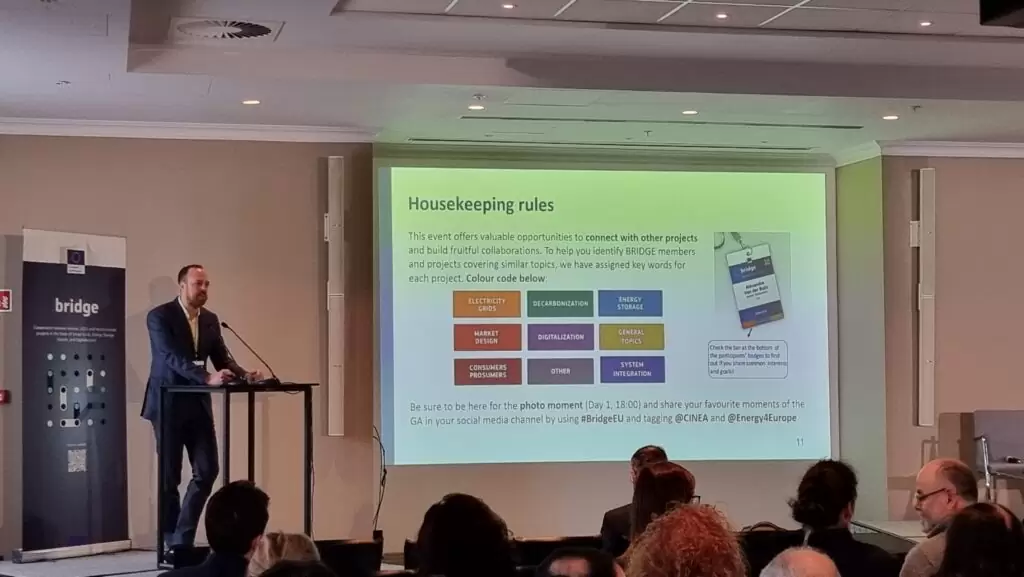
Dedalus has joined the BRIDGE initiative to give its contribution, together with other EU-funded projects - to the decarbonization and energy efficiency of the European building sector. Our project has been also participating in the four BRIDGE Working groups: consumer and citizen engagement, data management, business models, and regulatory.
Last April, Dedalus participated in the BRIDGE General Assembly 2024, which is an initiative of the European Commission and CINEA, aimed at fostering collaboration among projects funded under Horizon 2020 and Horizon Europe in the areas of Smart Grids, Energy Storage, Islands, and Digitalisation.
The General Assembly is a key annual event that gathers participants to share project outcomes, discuss challenges, and set future directions for collaboration. The 2024 meeting, held in Brussels, involved over 220 representatives from 92 different projects and featured both in-person and online participation.
Key highlights from the assembly included presentations on major regulatory updates and policy developments, such as the EU Grid Action Plan, regulatory frameworks for demand response, and the Net-Zero Industry Act. Several completed projects presented their key outcomes and lessons learned, while new projects showcased their work and expected results. A significant focus was placed on consumer and citizen engagement, with discussions about smart tools, engagement strategies and indicators for measuring citizen involvement in energy projects.
The Regulation Working Group emphasised regulatory challenges in energy markets, such as market access, peer-to-peer energy sharing, and coordination of energy and flexibility markets. Discussions also addressed the integration of new topics, including e-mobility, artificial intelligence, and cybersecurity.
The Business Models Working Group explored tools for building business models, methods for quantifying benefits, and the use of data value chains. Meanwhile, the Data Management Working Group focused on secure data exchange, interoperability, and the development of a use-case repository.
Overall, the assembly identified several areas for improvement, including enhanced communication among working groups, more regular meetings and greater engagement with external initiatives. Future steps include increased support for policy development, the introduction of new topics, and further exploration of synergies between projects to strengthen collaboration across Europe.
Dedalus will participate in the BRIDGE initiative activities for the next two years, collaborating through its network of Consortium partners in the four working groups mentioned above
Diego Arnone, as Dedalus coordinator, said:” In my role as a coordinator of the DEDALUS project and on behalf of the entire Dedalus consortium, I’m proud to bring our research activities to the BRIDGE Initiative. The osmotic relationship between the different projects within BRIDGE is greatly beneficial, as it facilitates result sharing, discussions on open issues, and finding solutions for topics that are common to most of the participating projects. It is a collaborative and stimulating environment where, through synergies among the various EU-funded projects involved in the initiative, it will be possible to make a tangible contribution to achieving the decarbonization and energy efficiency goals set by Europe for 2030″.
At this link are available the main highlights of the last General Assembly.
(Photo Credits: European Commission, BRIDGE Initiative)
Share:
Other updates