DEDALUS at BRIDGE workshop: Advancing user engagement and inclusivity in the energy transition

The DEDALUS project participated in the BRIDGE workshop, highlighting trust and inclusivity as structural pillars of the energy transition and engaging in a constructive dialogue with the SUPERSHINE project on advancing participatory pathways for citizens.
The DEDALUS project participated in the workshop “Capacity Building, User Engagement & Inclusivity” organised by the Subgroup “Strategies of Engagement”, as a part of the Working Group “Consumer and Citizen Engagement” of the BRIDGE initiative, last week.
The workshop provided an opportunity to share insights from DEDALUS’ implementation across seven European countries, while also learning from complementary experiences such as those of the SUPERSHINE project in the field of social housing renovation.
The workshop was enriched by a conceptual contribution from academic expert Johanna Hofman, from Eindhoven University of Technology, who emphasised the need to move from instrumental engagement models to more relational and context-sensitive approaches. Her intervention framed social acceptance and energy literacy as evolving social practices embedded in participation.
Why this discussion matters for DEDALUS
Demand response and flexibility mechanisms are central to Europe’s decarbonisation pathway. However, their success depends not only on technical optimisation, but on users’ willingness, trust, and perception of value.
DEDALUS was designed precisely to address this challenge: combining social science, behavioural research, and technological innovation to enable more effective and inclusive participation in demand response schemes.
During the workshop, DEDALUS presented its human-centred approach and shared practical evidence from pilots involving diverse user groups.
Key Highlights from DEDALUS
- Engagement must be embedded from the beginning: DEDALUS demonstrated that user engagement cannot be treated as a dissemination activity added at the end of the project. It must shape the design of tools, communication strategies, and pilot implementation from the outset;
- Trust is the primary driver of participation: Across pilots, trust emerged as more influential than financial i incentives alone. Users are more likely to engage in flexibility schemes when they feel confident that their comfort, autonomy, and privacy are respected;
- Comfort outweighs purely financial motivations: While economic savings are relevant, DEDALUS findings show that users prioritise comfort and control of their living environment. Demand response solutions must therefore be framed around well-being and simplicity, not only cost reduction;
- Human mediation makes the difference: At several pilots, especially those involving vulnerable groups, the presence of trusted local intermediaries — such as housing operators or care home staff, significantly increased participation and reduced resistance;
- Energy literacy develops through participation: DEDALUS confirmed that energy knowledge does not need to precede engagement. Through co-creation workshops and tailored communication, users progressively built understanding and confidence in demand response mechanisms;
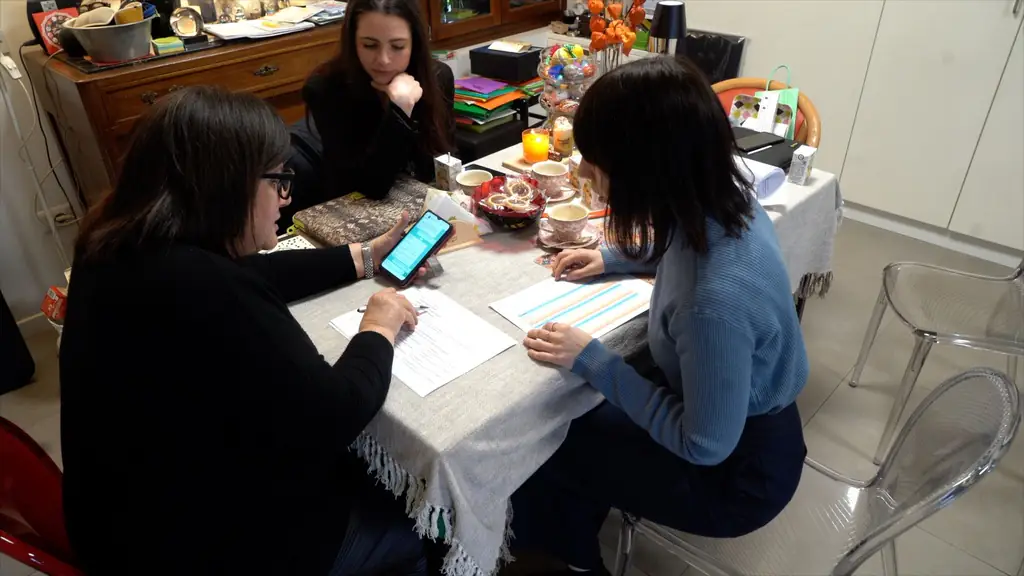
- Tailored approaches are essential for inclusivity: From multilingual documentation in Denmark to simplified, non-digital engagement formats for elderly residents in Italy, DEDALUS adapted its methods to local realities. Inclusivity proved to be a practical design choice, not a theoretical principle.
Learning through BRIDGE: Dialogue with SUPERSHINE
While DEDALUS focuses on demand response, the workshop also featured insights from the Horizon project SuperShine, which addresses social housing renovation through participatory pathways.
The exchange highlighted strong convergence points
- Tangible results reinforce credibility and capacity;
- Building requires dedicated resources and skilled facilitators;
- Acceptance must be treated as a process over time.
DEDALUS within BRIDGE: Strengthening the social pillar
Through its active involvement in BRIDGE activities, DEDALUS contributes to advancing a more integrated approach to energy innovation — one that recognises behavioural dynamics, inclusivity, and social acceptance as structural elements of project success.
The workshop reinforced a central message: the energy transition is not only technical — it is relational. Projects must move beyond transactional engagement models and adopt trust-based, context-sensitive strategies that empower users rather than merely informing them.
“The BRIDGE Strategies of Engagement’ subgroup welcomed the contribution of DEDALUS and other projects to this collective reflection. The workshop confirmed that user engagement, inclusivity, and capacity building are not complementary activities, but structural dimensions of successful energy innovation“, said Valeria Palladino, co-leader of the subgroup. “Cross-project dialogue remains essential to move from isolated engagement practices towards more systemic, relational approaches across the European energy transition ecosystem”.
(Ph.Credits: Pexels)
Share:


Other updates