DEDALUS energy management project steps up pilot validation
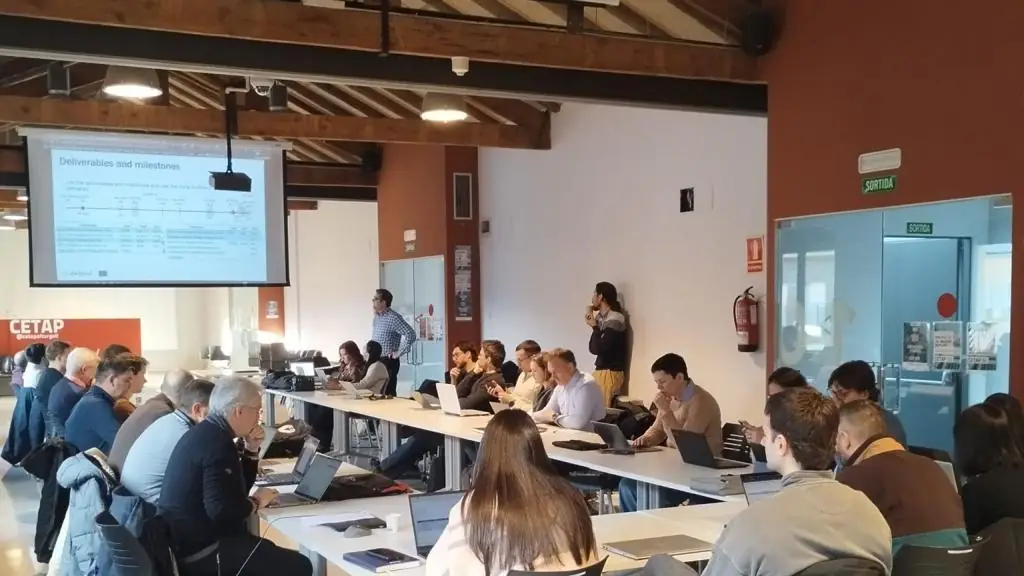
At the last DEDALUS General Assembly in La Seu d’Urgell, DEDALUS marked the transition to its final phase, with residential demand response solutions moving into real-life validation and demonstration.
During the General Assembly held in January in La Seu d’Urgell, DEDALUS partners reviewed progress across the project and discussed the next steps as the initiative moves towards its final phase. With work increasingly focused on validation and demonstration in real-life settings, the meeting marked a shift from technology development towards deployment, practical testing, and future uptake.
Across the consortium, partners confirmed the maturity of a wide range of solutions designed to make residential demand response more effective, data-driven, and relevant to real users and communities. Pilot activities are now playing a central role in assessing how these solutions perform in practice across different local contexts.
The discussions also pointed to a shared ambition across the project: to make smart energy solutions more usable, trustworthy, and better aligned with the realities of buildings, infrastructures, and user behaviour.
Share:


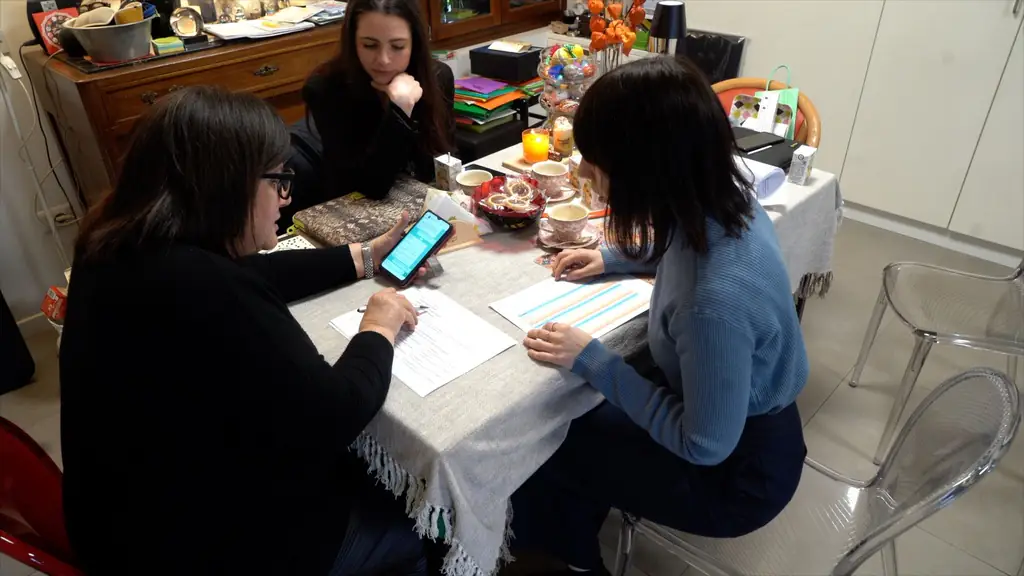
DEDALUS unveils its educational kit to advance smart, flexible, and user-centred energy systems

The Educational Kit offers a clear introduction to the concepts, technologies, and real-world practices that enable smart and flexible energy management.
DEDALUS has released its new Educational Kit, a concise yet comprehensive resource designed for students, researchers, and professionals working on residential energy flexibility and user-centred demand response. The kit is available for download on the DEDALUS website.
Developed by Università Politecnica delle Marche, NTUA, CARTIF, and ICONS, the Kit introduces the fundamentals of residential demand response and explains why buildings—responsible for around 40% of Europe’s total energy consumption—play a pivotal role in the
The resource presents the project’s three core services:
• Energy Flexibility Tool (FLEXiT), which forecasts consumption, disaggregates loads, and quantifies flexibility potential
• Comfort Flexibility Service, enabling personalised comfort management during DR events through environmental sensing and machine-learning models
• District-Level Energy Management System, coordinating shared photovoltaics, batteries, and electric vehicle charging to optimise community-level self-consumption
To ground these concepts in real contexts, the Kit includes examples from three DEDALUS pilot sites (Austria, Italy, Greece), illustrating how technical, behavioural, and community-oriented approaches converge in practice. An annex provides an overview of previous EU projects that established the foundations for DEDALUS’ work.
Designed as both an introductory guide and a practical learning tool, the educational kit equips readers to understand—and contribute to—the future of smart, flexible, and inclusive energy systems.
“Educating students on demand response and energy saving is not only about technology—it’s about people, said Gian Marco Revel and Sara Casaccia, who coordinated the academic contribution to the Kit at Università Politecnica delle Marche. “With this kit, we hope to inspire future engineers, researchers, developers, and designers to create digital and innovative solutions that respect both human comfort and our planet’s resources”.
(Photo Credits: UnSplash)
Share:
DigiBUILD to hold conference on its pioneering data-driven services for climate-neutral buildings
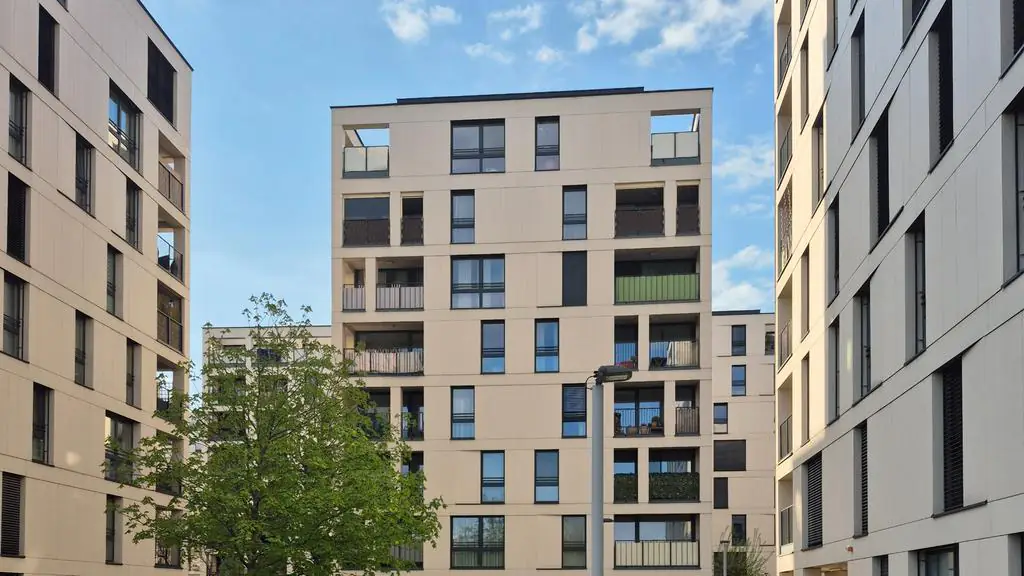
DigiBUILD’s final event celebrates three years of innovation in the digitalisation of the building sector and pass the torch to DEDALUS, which will build on its legacy to advance smarter, greener, and more connected infrastructures across Europe.
The final event of the Horizon Europe project DigiBUILD, one of the DEDALUS sister projects, is approaching and will take place on Tuesday, 20 May 2025 in London and online. This full-day hybrid event will mark the culmination of three years of research and innovation aimed at accelerating the digital transformation of the building sector.
From AI-based tools to data-driven services and digital twin solutions, DigiBUILD has developed a comprehensive suite of technologies to improve building performance, enable evidence-based policymaking, and support end-users in managing infrastructures more efficiently.
Highlights of the event include:
- A presentation of DigiBUILD’s core results and technological breakthroughs
- Live demonstrations and insights from real-world pilot sites across Europe
- A discussion on policy and market uptake
- A guided tour of the UCL demonstration site
“DigiBUILD has demonstrated the power of data collection, data pre-processing and data-driven services, including the adoption of digital twins, as well as the importance of co-creation and co-design in the process of boosting energy efficiency in buildings.
Its innovative tools and open standards now serve as a foundation for the ongoing DEDALUS project that continues the mission of smarter, greener construction, better integrated with the energy grids through the Demand Response mechanism. This marks a key step forward in the EU’s digital and sustainable transformation of the built environment”, stated Diego Arnone – coordinator of DigiBUILD and DEDALUS.
The event will bring together researchers, industry stakeholders, public authorities, and policymakers to reflect on the project’s outcomes and discuss the road ahead for smart, sustainable, and inclusive buildings.
For more information and find out the agenda, click here.
Share:
Other updates