Empowering citizens to shape the future of energy

The DEDALUS project places citizens at the core of sustainable energy management, empowering them to take control of their consumption through advanced technology and a user-centered approach. This synergy between people and technology paves the way for a more resilient energy future.
DEDALUS is an innovative European project designed to revolutionise the way residential energy demand response (DR) is approached, with a focus on energy efficient homes.
Its overarching goal is to develop a flexible, user-centred ecosystem for demand response that effectively engages residents in managing their energy consumption.
Leveraging advanced technologies such as artificial intelligence (AI), the internet of things (IoT) and blockchain, the project aims to deliver multi-value, energy carrier-agnostic solutions adaptable to various European contexts, both geographically and climatically.
User-centric approach
DEDALUS recognises that achieving sustainable energy efficiency on a large scale requires more than just technical advancements; it requires the active involvement of end-users. Rather than viewing residents as passive consumers, DEDALUS treats them as essential participants in the energy transition, integrating their preferences and motivations directly into the design and functionality of DR solutions.
This user-centric approach is supported by a robust social science framework, which draws on behavioural science, motivation theories and socio-economic factors to understand how different segments of the population interact with energy saving technologies and programmes.
Through this framework, DEDALUS aims to overcome common obstacles to the adoption of DR solutions by addressing users’ real needs for comfort, customisation and energy and environmental literacy.
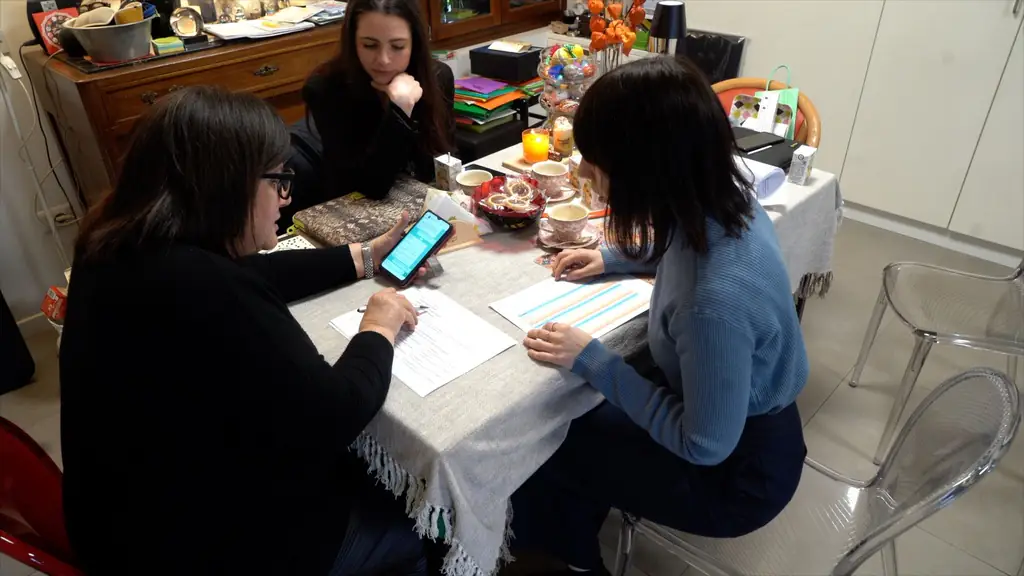
One of the core innovations of DEDALUS is its co-creation approach, where end-users are actively involved in the design and evaluation processes. Through workshops, segmentation analysis and feedback on tool interfaces, the project gathers essential insights that help refine its strategies and tools.
These co-creation activities explore key drivers and barriers to user participation in demand response, assessing which factors – like comfort, data privacy and energy and environmental literacy – play a critical role in encouraging or discouraging engagement.
By identifying specific user profiles, DEDALUS can target its communication and engagement strategies, tailoring incentives and interfaces to different types of users across pilot sites. For example, some profiles may require more educational support regarding energy saving benefits, while others may need advanced customisation options in their DR tools.
Technology and business models
In addition to its user-centred design, DEDALUS places emphasis on developing the technological infrastructure necessary for a seamless DR experience. The integration of social science insights into the technological framework has led to an enhanced software architecture that prioritises accessibility, security and user-friendly interfaces.
The project’s technical work packages ensure that DR solutions not only support user engagement but also align with broader energy system requirements. Advanced machine learning techniques, for instance, are employed to analyse electricity load profiles, helping identify and optimise demand response opportunities while respecting user comfort preferences.
Furthermore, DEDALUS explores innovative business models to support the long-term sustainability and scalability of DR solutions, considering economic incentives that appeal to a wide range of users. By involving users from diverse backgrounds and geographical regions, the project builds a replicable model that can be adapted across the European Union, laying the groundwork for a unified approach to residential DR that supports regulatory harmonisation and market stability.
Ultimately, the DEDALUS project seeks to position residential communities as active stakeholders in the energy transition. By combining cutting-edge technology with a deep understanding of user behaviour and preferences, the project not only advances the field of demand response but also contributes to the creation of a more resilient, sustainable and user-driven energy ecosystem across Europe.
(The original version of this article is available at this link on the ENLIT media platform).
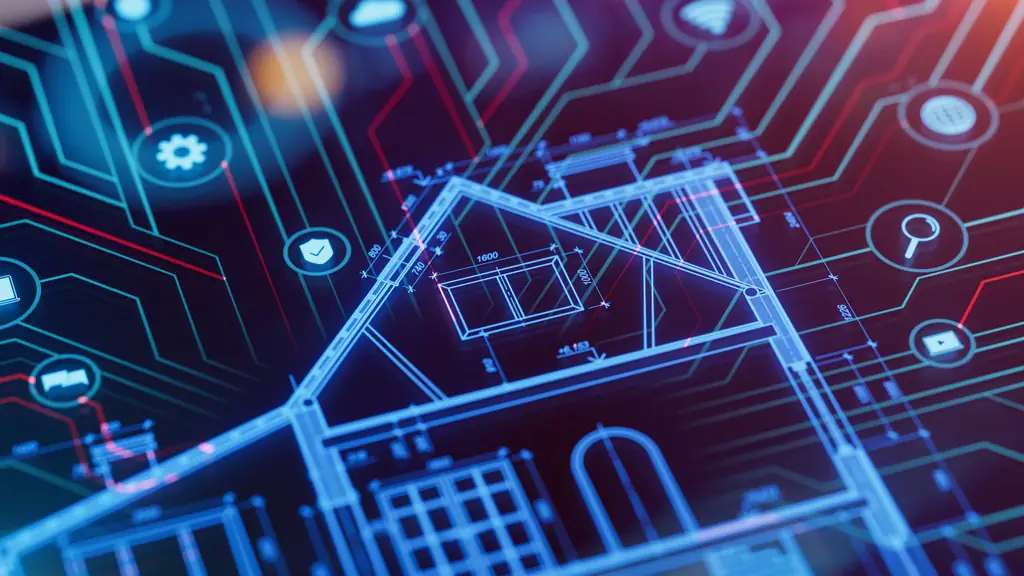
Image by Michael Schwarzenberger from Pixabay
Share:


People-Tech-Energy: DEDALUS and DigiBUILD hold joint session at ENLIT 2024

In October DEDALUS and its sister project DigiBUILD participated in a dedicated session within a joint workshop organised by Smart Energy Cluster during ENLIT 2024. It focused on the development of technologies to improve the life quality of building residents in the respective pilots and the central role of the people to accelerate the energy transition.
During the joint workshop titled “Unlocking the Power of Smart Energy: A New Era in Efficiency, Flexibility, and Innovation”, organised by the Smart Energy Cluster at ENLIT 2024, the projects DEDALUS and DigiBUILD captivated the attention of industry experts and the general audience with their innovative solutions. Both projects showed how the integration of advanced technologies, data, and direct end-user involvement can revolutionise energy management and building operations, accelerating the transition toward sustainable and resilient models.
DEDALUS, presented by Diego Arnone from Engineering I.I. Spa as the project coordinator, provided an overview of how data-driven tools can transform the residential sector into a driver of energy flexibility. The coordinator focused on using cutting-edge technologies, such as Digital Twins and predictive analytics, to optimise energy consumption and enhance residential comfort.
Through its seven pilot projects in various European countries, DEDALUS is demonstrating how complex challenges can be addressed through tailored solutions. From demand response programs that balance energy consumption with comfort in senior residences to the smart management of energy communities, each pilot highlights the pivotal role of end-users. A key takeaway from the session was the importance of maintaining a continuous dialogue with residents when co-designing solutions that not only improve efficiency but also cater to people’s daily needs and overall well-being.
Similarly, DigiBUILD, represented by Elissaios Sarmas from NTUA as the scientific coordinator, presented a complementary approach focusing on digitalisation to enhance energy management and ensure greater climate resilience in buildings.
The AI-driven services developed by DigiBUILD not only enable the monitoring and forecasting of energy consumption but also provide practical tools to improve comfort and sustainability in living spaces. DigiBUILD’s digital twins are designed to integrate real-time data and offer personalised solutions for building managers, making operational management more efficient and transparent.
The project is further distinguished by its focus on comfort performance contracts, a model that guarantees energy efficiency and comfort at predetermined cost, meeting the expectations of a wide range of stakeholders, from building managers to residents themselves.
Both projects highlighted the central role of end-user engagement in the success of their initiatives. Active participation from residents, occupants, and local stakeholders was not merely encouraged but fully integrated into the design and implementation processes. From nudging programs that foster virtuous behaviours through incentives and intuitive apps to co-creation methodologies and workshops with citizens, DEDALUS and DigiBUILD have demonstrated that meaningful change cannot occur without the full support and awareness of end-users.
The other sessions in the workshop featured several projects from the cluster, each bringing a specific perspective that enriched the discussion. The InEExS project explored the use of blockchain to tokenise energy-saving data and improve models for integrated energy services. FORTESIE talked about advanced energy retrofit solutions and EPC (Energy Performance Contract) packages integrated with digital technologies. EU-MORE analysed the importance of accelerating the replacement of electric motors to reduce industrial energy consumption. RESCHOOL showcased tools for engaging energy communities through gamification and active demand management. Lastly, RESONANCE discussed the role of customer energy managers and solutions for aggregating flexibility across multi-sectoral contexts.
The variety of contributions underscored the relevance of the Smart Energy Cluster as a platform for dialogue and exchange. The diverse and yet complementary approaches that were presented offered a broader perspective on the opportunities and complexities of building a more sustainable energy future.
(Photo Credits: Fondazione ICONS)
Share:
Other updates