DEDALUS at MetroLivEnv 2025: from data-driven strategies to smarter buildings
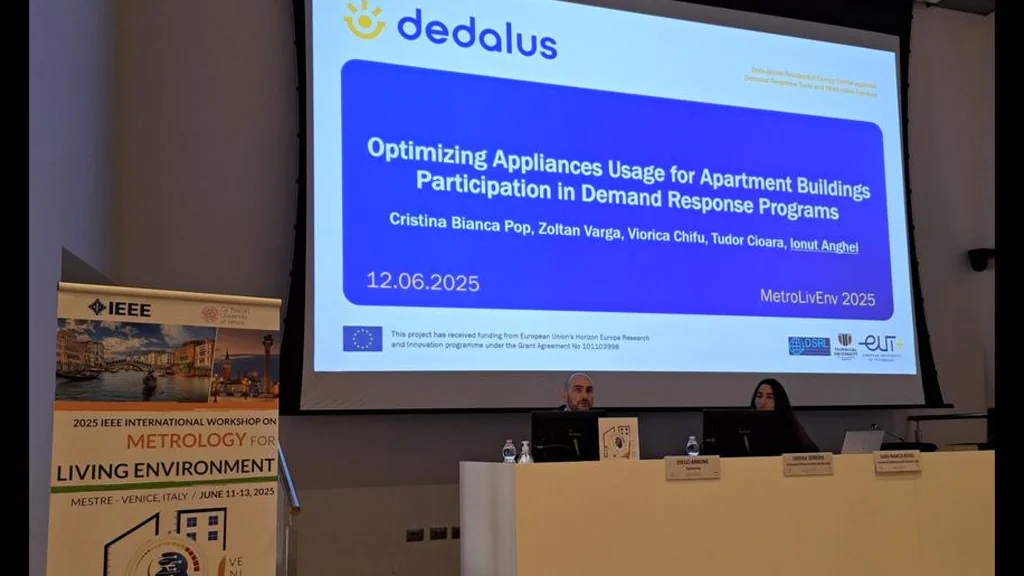
At MetroLivEnv 2025, DEDALUS presented innovative approaches to digital services in the built environment — from smart energy management and predictive modeling to cloud-edge orchestration.
DEDALUS took part in the MetroLivEnv Conference, held in Venice Mestre this summer, bringing its scientific and technological contribution to two special sessions dedicated to the “Application of Digital Services in the Built Environment: Empowering Innovation through High-Quality Data-Driven Measurement Processes to Enhance Demand Response Strategies”.
Coordinated by DEDALUS partners Engineering and Università Politecnica delle Marche, the sessions gathered experts from academia, research, and industry to explore the role of digital services and high-quality data in transforming the built environment. In particular, delegates discussed the development of new demand response strategies, key tools for the intelligent and efficient management of energy resources.
The DEDALUS consortium presented results and innovative approaches in three main areas:
- Optimisation of energy consumption in multi-family buildings, enabling residents’ active participation in Demand Response programmes.
- Integration of predictive market models with automated management of residential heat pumps, fostering more sustainable household energy use.
- Advanced orchestration of workloads across the Cloud-Edge continuum, enhancing the resilience and efficiency of digital infrastructures.
These contributions highlighted how DEDALUS not only promotes the use of digital technologies and advanced measurement systems, but also works to transform buildings into active nodes of the energy network, capable of dynamically responding to market needs.
Beyond DEDALUS’s participation, MetroLivEnv 2025 provided a comprehensive overview of current environmental and technological challenges that engage academia, industry, and policymakers.
Among the most relevant themes featured the development of new environmental monitoring methodologies, with a focus on air and water quality in urban and industrial contexts. Advanced sensor technologies were showcased, which are becoming increasingly miniaturized and integrated with digital platforms, capable of delivering real-time, high-resolution data.
Another key topic was the exploration of measurement technologies for indoor well-being, essential to assess building health and living comfort. Experts stressed how the combination of intelligent sensors, predictive algorithms and cloud platforms enables a more accurate assessment of the impact of technological innovations on people’s health and quality of life.
Several contributions exemplified this research effort, including:
- A study on the optimisation of household appliance use in residential buildings to facilitate participation in Demand Response programmes (Technical University of Cluj-Napoca, Romania);
- A research on the integration of predictive market models with automated management of residential heat pumps, developed by Zenith Gas & Light SA in collaboration with the National Technical University of Athens (NTUA);
- An analysis of the potential of the cloud-edge continuum for the orchestration of containerised workloads, with applications in the energy and industrial sectors;
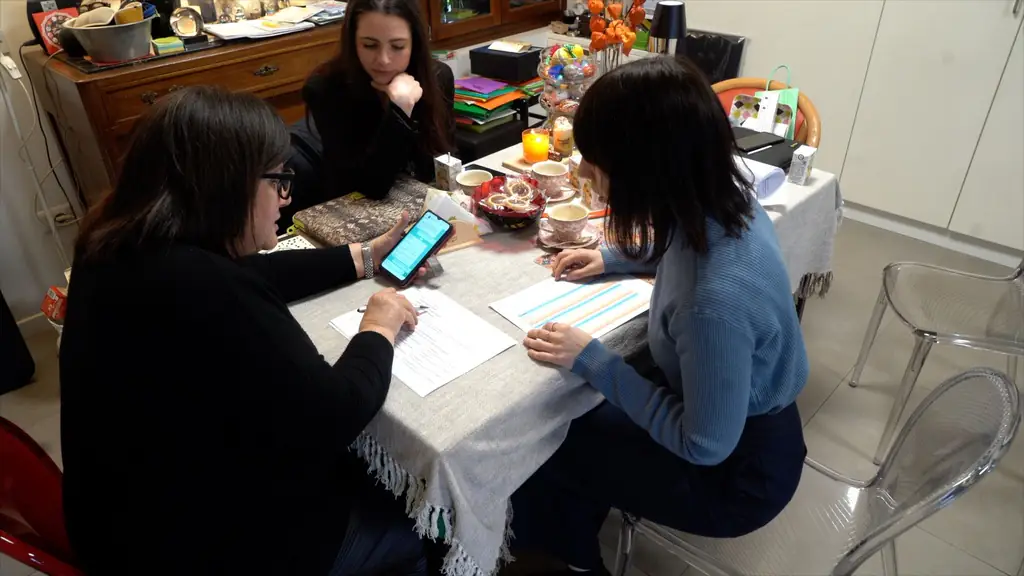
- A personalized approach to ensure the well-being of vulnerable people during Demand Response events (Università Politecnica delle Marche, Italy).
- A study presenting a methodology for optimizing the distribution of electrical energy generated and stored within renewable energy communities located in the same district (CIMNE)
The conference further underscored the importance of interdisciplinary approaches, combining engineering, environmental sciences and social sciences. The shared goal is to design integrated tools to support policy-makers and private stakeholders in managing cities, providing reliable data and predictive scenarios for more effective sustainability and urban resilience strategies.
(This project update was co-authored by Università Politecnica delle Marche and Fondazione ICONS)
Share:


DEDALUS and DigiBUILD unite to host a special session at IEEE MetroLivEnv 2025
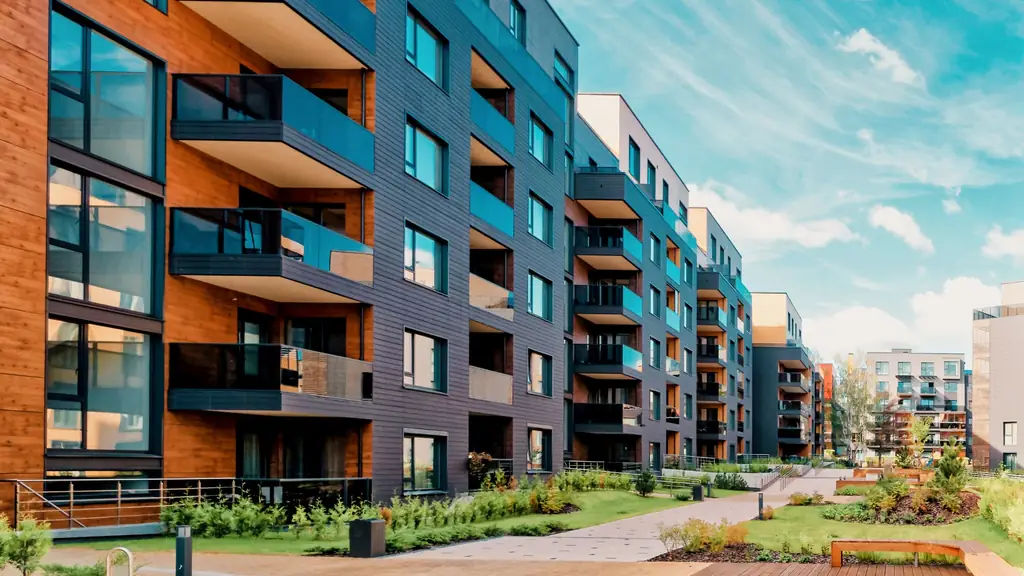
From June 11 to 13, Venice will host the 2025 IEEE MetroLivEnv. DEDALUS and DigiBUILD are co-organizing a special session on high-quality data and digital services to enhance Demand Response in the built environment.
As part of the 2025 IEEE MetroLivEnv international workshop, DEDALUS and its sister project DigiBUILD are collaborating to host a Special Session focused on advancing energy-efficient and sustainable building practices through digital transformation. This session, titled “Application of Digital Services in the Built Environment: Empowering Innovation through High-Quality Data-Driven Measurement Processes to enhance Demand Response strategies”, will highlight how cutting-edge technologies such as artificial intelligence, real-time data analytics, and demand response strategies are revolutionizing the built environment.
Innovating the Built Environment with Digital Technologies
The joint special session will dive into the practical application of digital tools and measurement techniques in enhancing the BE sector. Emphasis will be placed on the role of high-quality data and AI-driven solutions in addressing global challenges, from optimizing energy use to improving occupant comfort and well-being.
Key topics include:
- The integration of demand response strategies to optimize energy consumption, reduce peak demand, and maintain grid stability while ensuring occupant comfort.
- AI-powered methodologies for managing complex and diverse BE data.
- Real-world applications of digital tools, including energy profiling, forecasting, and smart resource management.
- Case studies that demonstrate how DR and AI technologies are driving transformative advancements in the built environment.
Call for Participation
Researchers, industry leaders, and policymakers are invited to contribute to this dynamic session. Attendees will gain insights into cutting-edge research and practical applications that demonstrate how digital technologies are shaping a sustainable and resilient built environment. Contributions are particularly welcomed from those exploring Artificial Intelligence, demand response strategies, and advanced metrology in the built environment context.
Find out the programme at this link!
(Photo Credits: Image by Roman Babakin from iSTOCK)
Share:
Other updates