DEDALUS contributes to EU dialogue on smart energy at IISA 2025
As part of the Smart Energy Cluster session, DEDALUS will highlight how its people-centred approach to demand response is helping make the energy transition more inclusive and effective.
DEDALUS will take part in the Smart Energy Cluster session of the 5th International Workshop on AI & Data Analytics in the Energy Sector, scheduled for 11 July 2025, in Mytilene, Greece, as part of the 16th International Conference on Information, Intelligence, Systems and Applications (IISA 2025).
Titled “Advancing the Energy Transition with Smart Infrastructure and Engaged Communities“, the session brings together six EU-funded projects—ENPOWER, InEExS, DEDALUS, ENERGATE, HEDGE-IoT, and i-STENTORE—that are developing innovative solutions for a more sustainable, flexible, and inclusive European energy system.
DEDALUS, represented by Alessandro Rossi from Engineering, will show its approach to flexible demand-side management in residential buildings, based on a carrier-agnostic model that integrates socially informed design, co-creation, and active user participation.
The project will contribute to the thematic session “Empowering Communities for a Smarter Energy Future”, focusing on participatory models, energy communities, and digital demand-side services.
The session will provide an overview of emerging technologies and engagement strategies that are accelerating the energy transition in Europe, with a specific focus on regulatory, infrastructural, and behavioural challenges.
Foto di Yusuf Onuk su Unsplash
Share:


DEDALUS to co-organise AI and data analytics workshop at IISA 2025
DEDALUS is co-organizing a workshop as part of IISA 2025. The event will gather top AI researchers, energy specialists, and policymakers to discuss innovative approaches that are expected to shape the future of energy analytics over the coming decade.
The DEDALUS project is co-organising the 5th International Workshop on AI & Data Analytics in the Energy Sector, scheduled for 10–12 July 2025 in Mytilene, Greece. This workshop is a key component of IISA 2025.
Coordinated by the DDS Lab at NTUA, the workshop brings together leading AI researchers, energy experts, and policymakers to explore cutting-edge methodologies poised to redefine the next decade of energy analytics.
The event is closely linked to research activities from several Horizon Europe and LIFE projects,including Crete Valley, EnerTEF, ENPOWER, ENERGATE, METABUILD, DATAWiSE, Hedge-IoT, BuildON, CLIMRES, and BUILDSPACE.
“In a world racing toward digitalisation and decarbonisation, data is the new energy. This workshop is a hub for those tackling the complex, high-impact problems at the intersection of AI, analytics, and the energy transition. DSS Lab, EPU NTUA, is thrilled to lead this effort, particularly through our work in the DEDALUS project, where we’re shaping the future of interoperable, intelligent energy solutions.”, stated Elissaios Sarmas – Senior researcher associated at DSS-NTUA and scientific coordinator of DEDALUS.
The workshop will delve into topics such as:
- Generative AI & Large Language Models for real-time energy system management
- AI-powered digital twins for self-learning buildings and grids
- Neuromorphic AI architectures for ultra-low-power energy optimization
- Swarm intelligence & agent-based models for decentralized energy networks
- Federated learning & privacy-preserving AI in energy ecosystems
- Quantum machine learning for next-generation energy forecasting
- Blockchain & AI convergence for secure and autonomous energy trading
- Self-healing energy networks powered by reinforcement learning
A key feature of this year’s workshop is a new session designed by the Smart Energy Cluster — of which DEDALUS has been an active member since 2023 — bringing together leading EU projects committed to advancing smart energy solutions.
Structured as a “Visionary Roundtable”, this segment will offer a series of enlightening talks and interactive discussions, showcasing the breakthroughs, market relevance, and real-world applications of the Cluster’s latest projects.
DEDALUS will be represented in this session by Alessandro Rossi, senior researcher and project manager at Engineering S.p.A.
For more information about the workshop, the deadline for the paper proposal, and to register, please visit the official website.
Image by Joe from Pixabay
Share:
People-Tech-Energy: DEDALUS and DigiBUILD hold joint session at ENLIT 2024

In October DEDALUS and its sister project DigiBUILD participated in a dedicated session within a joint workshop organised by Smart Energy Cluster during ENLIT 2024. It focused on the development of technologies to improve the life quality of building residents in the respective pilots and the central role of the people to accelerate the energy transition.
During the joint workshop titled “Unlocking the Power of Smart Energy: A New Era in Efficiency, Flexibility, and Innovation”, organised by the Smart Energy Cluster at ENLIT 2024, the projects DEDALUS and DigiBUILD captivated the attention of industry experts and the general audience with their innovative solutions. Both projects showed how the integration of advanced technologies, data, and direct end-user involvement can revolutionise energy management and building operations, accelerating the transition toward sustainable and resilient models.
DEDALUS, presented by Diego Arnone from Engineering I.I. Spa as the project coordinator, provided an overview of how data-driven tools can transform the residential sector into a driver of energy flexibility. The coordinator focused on using cutting-edge technologies, such as Digital Twins and predictive analytics, to optimise energy consumption and enhance residential comfort.
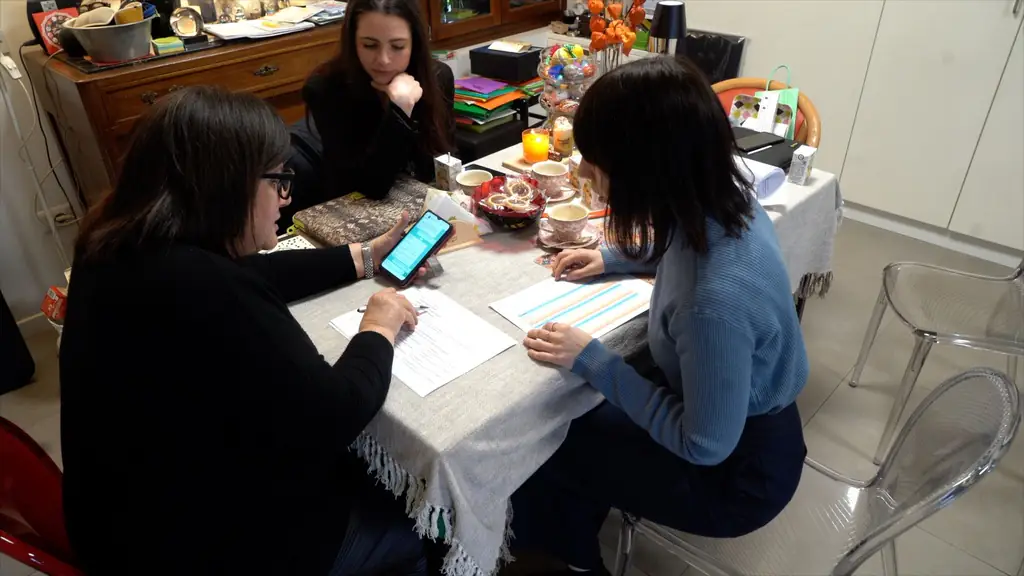
Through its seven pilot projects in various European countries, DEDALUS is demonstrating how complex challenges can be addressed through tailored solutions. From demand response programs that balance energy consumption with comfort in senior residences to the smart management of energy communities, each pilot highlights the pivotal role of end-users. A key takeaway from the session was the importance of maintaining a continuous dialogue with residents when co-designing solutions that not only improve efficiency but also cater to people’s daily needs and overall well-being.
Similarly, DigiBUILD, represented by Elissaios Sarmas from NTUA as the scientific coordinator, presented a complementary approach focusing on digitalisation to enhance energy management and ensure greater climate resilience in buildings.
The AI-driven services developed by DigiBUILD not only enable the monitoring and forecasting of energy consumption but also provide practical tools to improve comfort and sustainability in living spaces. DigiBUILD’s digital twins are designed to integrate real-time data and offer personalised solutions for building managers, making operational management more efficient and transparent.
The project is further distinguished by its focus on comfort performance contracts, a model that guarantees energy efficiency and comfort at predetermined cost, meeting the expectations of a wide range of stakeholders, from building managers to residents themselves.
Both projects highlighted the central role of end-user engagement in the success of their initiatives. Active participation from residents, occupants, and local stakeholders was not merely encouraged but fully integrated into the design and implementation processes. From nudging programs that foster virtuous behaviours through incentives and intuitive apps to co-creation methodologies and workshops with citizens, DEDALUS and DigiBUILD have demonstrated that meaningful change cannot occur without the full support and awareness of end-users.
The other sessions in the workshop featured several projects from the cluster, each bringing a specific perspective that enriched the discussion. The InEExS project explored the use of blockchain to tokenise energy-saving data and improve models for integrated energy services. FORTESIE talked about advanced energy retrofit solutions and EPC (Energy Performance Contract) packages integrated with digital technologies. EU-MORE analysed the importance of accelerating the replacement of electric motors to reduce industrial energy consumption. RESCHOOL showcased tools for engaging energy communities through gamification and active demand management. Lastly, RESONANCE discussed the role of customer energy managers and solutions for aggregating flexibility across multi-sectoral contexts.
The variety of contributions underscored the relevance of the Smart Energy Cluster as a platform for dialogue and exchange. The diverse and yet complementary approaches that were presented offered a broader perspective on the opportunities and complexities of building a more sustainable energy future.
(Photo Credits: Fondazione ICONS)
Share:
Dedalus enters the Smart Energy Cluster

During 2023, Dedalus has joined the Smart Energy Cluster to collaborate with other projects on advancing energy solutions across various segments. Discover the goals to achieve together with other projects!
Dedalus is now part of the Smart Energy Cluster, a collaborative initiative dedicated to integrating different energy services while incorporating non-energy benefits.
The mission of this initiative is to overcome market fragmentation and foster cooperation across different sectors. By bridging gaps and creating common ground for business development, the cluster promotes a unified approach to advancing energy solutions across various segments.
The Smart Energy Cluster brings together 26 pioneering projects, all committed to supporting each other in the development, conceptualization, and deployment of new business models and concepts. These efforts are designed to fully unlock the economic potential and broader benefits of integrated energy services.
The cluster is devoted to the dissemination, communication, and exploitation of project activities and results, aiming to amplify the impact of each project. This includes integrating innovative and smart service offerings, reducing energy costs for end users, and making investments in sustainable energy more accessible.
The foundations of the Smart Energy Cluster are:
- Collaborative Synergies
- Exchange & Engagement
- Combined Expertise
- Unified Action
- Strategic Development
For further insights into the #SmartEnergyCluster and to stay updated on our progress, visit the website.
Share:
Other updates