Digital Twins and Electricity – TwinEU project to hold a webinar on 6 March
The DEDALUS coordinator will join TwInsider Session #1 as a panelist, sharing insights on digital twins, AI, and blockchain to enhance energy management and grid flexibility
Fellow project , TwinEU, has launched its webinar series with TwInsider Session #1, focusing on the opportunities and challenges of deploying digital twins in the electricity system.
The event has featured experts from the European Commission, ENTSO-E, DSO Entity, and innovative projects such as DEDALUS, contributing to discussions on:
- The impact of digital twins on the electricity grid and consumers
- The EU policy framework supporting their adoption
- Challenges in developing a pan-European digital twins for the electricity system
DEDALUS’ Contribution
DEDALUS has participated with insights on energy demand management and grid flexibility. The project leverages digital twins to analyze and optimize energy demand management at both residential and district levels, develops AI-driven tools to encourage consumer participation, enhances data protection and interoperability through blockchain and data spaces, and supports flexibility management in energy communities and district heating systems.
These solutions will be tested in seven European countries, with five pilot projects and two large-scale replicators (multipliers).
Share:


DEDALUS and DR-RISE help transform demand-response management together

DEDALUS and DR-RISE are joining forces to tackle demand response challenges by facilitating knowledge transfer and enhancing the integration of distributed energy resources in European markets.
DEDALUS and DR-RISE have joined forces to tackle the challenges of demand response through knowledge transfer and joint dissemination activities. Both projects are dedicated to improving the integration of distributed energy resources and optimising demand-side management within European energy markets and therefore, both projects share numerous objectives and address common challenges.
DEDALUS and DR-RISE focuse on creating a demand response ecosystem for residential users by combining advanced ICT technologies with social, innovative business models inspired by the sharing economy and participatory governance. Both projects explore new ways of engaging residential users through participatory and multi-value approaches and conduct ongoing regulatory analysis to bridge legislative gaps and ensure greater accessibility to demand response solutions. Moreover, they aim to make energy demand more flexible and responsive, reducing peak consumption and enhancing grid performance and tackle current barriers like slow deployment of smart meters, the lack of a clear status for independent aggregators, and limited access to energy markets.
Another common challenge is ensuring consumer acceptance and active participation. Raising awareness and providing incentives to encourage engagement are crucial for optimising energy consumption.Securing the involvement of utilities and aggregators is also essential to facilitating the large-scale adoption of these solutions. However, challenges remain, such as the scalability of technologies, which must overcome both technological and regulatory obstacles to be widely applicable. Additionally, the diversity of energy systems across European countries requires increased standardisation to ensure interoperability.
Through their cooperation, DEDALUS and DR-RISE thus seek to maximise the impact of research and promote the adoption of innovative solutions in the demand response sector, contributing to a more efficient, resilient, and sustainable European energy system.
“DEDALUS and DR-RISE have similar objectives and face similar challenges,” stated Diego Arnone, coordinator of DEDALUS. “Launching a collaboration between the two research initiatives is beneficial not only for the two projects, but also for the residential energy consumers who, properly engaged and by means of proper disruptive technologies, can start to participate in new demand response programs. This will be a significant step toward energy efficiency, energy consumption awareness and carbon footprint reduction”.
“The synergistic integration of these two projects is expected to amplify their impact, enhancing the efficiency and scalability of energy management solutions across European grids and energy communities,” said Axel Bruck – DR-RISE coordinator. By pooling resources, knowledge, and innovation, the collaborative efforts are anticipated to deliver more robust demand-side strategies, expanding access to residential end-users, and contribute significantly to the EU’s ambitious targets for energy sustainability and ecological transition.
(Photo Credits: Image by iStock)
Share:
Empowering citizens to shape the future of energy

The DEDALUS project places citizens at the core of sustainable energy management, empowering them to take control of their consumption through advanced technology and a user-centered approach. This synergy between people and technology paves the way for a more resilient energy future.
DEDALUS is an innovative European project designed to revolutionise the way residential energy demand response (DR) is approached, with a focus on energy efficient homes.
Its overarching goal is to develop a flexible, user-centred ecosystem for demand response that effectively engages residents in managing their energy consumption.
Leveraging advanced technologies such as artificial intelligence (AI), the internet of things (IoT) and blockchain, the project aims to deliver multi-value, energy carrier-agnostic solutions adaptable to various European contexts, both geographically and climatically.
User-centric approach
DEDALUS recognises that achieving sustainable energy efficiency on a large scale requires more than just technical advancements; it requires the active involvement of end-users. Rather than viewing residents as passive consumers, DEDALUS treats them as essential participants in the energy transition, integrating their preferences and motivations directly into the design and functionality of DR solutions.
This user-centric approach is supported by a robust social science framework, which draws on behavioural science, motivation theories and socio-economic factors to understand how different segments of the population interact with energy saving technologies and programmes.
Through this framework, DEDALUS aims to overcome common obstacles to the adoption of DR solutions by addressing users’ real needs for comfort, customisation and energy and environmental literacy.
One of the core innovations of DEDALUS is its co-creation approach, where end-users are actively involved in the design and evaluation processes. Through workshops, segmentation analysis and feedback on tool interfaces, the project gathers essential insights that help refine its strategies and tools.
These co-creation activities explore key drivers and barriers to user participation in demand response, assessing which factors – like comfort, data privacy and energy and environmental literacy – play a critical role in encouraging or discouraging engagement.
By identifying specific user profiles, DEDALUS can target its communication and engagement strategies, tailoring incentives and interfaces to different types of users across pilot sites. For example, some profiles may require more educational support regarding energy saving benefits, while others may need advanced customisation options in their DR tools.
Technology and business models
In addition to its user-centred design, DEDALUS places emphasis on developing the technological infrastructure necessary for a seamless DR experience. The integration of social science insights into the technological framework has led to an enhanced software architecture that prioritises accessibility, security and user-friendly interfaces.
The project’s technical work packages ensure that DR solutions not only support user engagement but also align with broader energy system requirements. Advanced machine learning techniques, for instance, are employed to analyse electricity load profiles, helping identify and optimise demand response opportunities while respecting user comfort preferences.
Furthermore, DEDALUS explores innovative business models to support the long-term sustainability and scalability of DR solutions, considering economic incentives that appeal to a wide range of users. By involving users from diverse backgrounds and geographical regions, the project builds a replicable model that can be adapted across the European Union, laying the groundwork for a unified approach to residential DR that supports regulatory harmonisation and market stability.
Ultimately, the DEDALUS project seeks to position residential communities as active stakeholders in the energy transition. By combining cutting-edge technology with a deep understanding of user behaviour and preferences, the project not only advances the field of demand response but also contributes to the creation of a more resilient, sustainable and user-driven energy ecosystem across Europe.
(The original version of this article is available at this link on the ENLIT media platform).
Image by Michael Schwarzenberger from Pixabay
Share:
DEDALUS Discoveries | Hedonic games reshape peer-to-peer energy trading

Hedonic games and blockchain are transforming decentralised energy systems, as shown by researchers at the Technical University of Cluj-Napoca, who developed a model optimising P2P trading through social integration and coalition-building.
Researchers from the Technical University of Cluj-Napoca have developed an innovative model based on hedonic games to enhance peer-to-peer (P2P) energy trading within decentralised energy communities. This groundbreaking approach integrates social relationships and individual preferences into energy transaction frameworks, fostering collaboration among prosumers while balancing energy supply and demand. Unlike traditional models that focus solely on economic efficiency, this unique solution incorporates factors such as trust, friendship, and historical cooperation.
The model employs genetic algorithms to optimise the formation of prosumer coalitions, balancing social compatibility and market efficiency. Additionally, the solution is integrated with a blockchain-based platform, ensuring secure and transparent energy transactions and enhancing trust among participants. Initial evaluations of the hedonic game model demonstrate a 5% increase in energy transactions compared to traditional methods and a 10% boost in trading volume when social relationships are prioritized.
This research aligns with earlier work from the Distributed Systems Research Laboratory at Cluj-Napoca Technical University, which employed evolutionary game theory, specifically the Hawk-Dove model, to optimise prosumer behaviour in P2P energy trading. Together, these studies underscore the pivotal role of game theory in shaping the future of decentralized energy systems.
“Cooperative games help people make smarter, fairer choices about sharing energy based on their preferences, while blockchain ensures secure and transparent energy transactions inside an energy community. Together, they create a future where prosumers can generate, trade, and manage their energy more sustainably and collaboratively in the context of local communities”, stated Tudor Cioara – professor at Technical University of Cluj-Napoca.
The paper is available for download at this link.
(Image by Pete Linforth from Pixabay)
Share:
DEDALUS Discoveries | New study shows how advanced technology may help buildings participate in demand-response programs

The study highlights how artificial intelligence, blockchain, and smart systems can enable buildings to actively support smart grids, overcoming regulatory and technical challenges for economic and environmental benefits.
The study provides an in-depth analysis of technological advancements for enabling buildings to actively participate in smart grid demand-response programs. It was conducted as part of the DEDALUS project by the Technical University of Cluj-Napoca (TUC) and the National Technical University of Athens (NTUA), and recently published in Energy & Buildings.
The research offers valuable insights for academics, industry leaders and policymakers, shedding light on both opportunities and challenges in integrating advanced solutions into smart buildings.
The analysis underscores the critical role of innovative technologies such as AI-driven energy prediction models, blockchain for secure and transparent transactions, and interoperable systems that enable seamless communication between devices. These advancements are pivotal in enhancing energy flexibility and ensuring the efficient integration of buildings into smart grids. Furthermore, the transformative potential of decentralized technologies, particularly blockchain, is highlighted as a key enabler in fostering transparent and secure energy marketplaces.
However, the adoption of demand response programs is hindered by several barriers, including ambiguous regulatory frameworks, technical compatibility issues among building systems, and persistent concerns regarding data privacy. It is essential to address these obstacles to fully unlock the potential of these initiatives.
Despite these challenges, the economic and environmental advantages of demand response programs are significant. By aligning energy consumption with renewable energy production, such programs not only reduce costs for consumers but also enhance grid stability and contribute to ambitious decarbonisation targets.
These innovations enable buildings to evolve from passive energy consumers into active contributors to grid stability and sustainability.
“At NTUA, we are committed to advancing research that drives the energy transition through cutting-edge technology. Our collaboration with TUC has enabled us to explore innovative solutions for optimising demand response in smart grid-integrated buildings. By reviewing technology enablers and addressing innovation challenges, we aim to contribute to a more sustainable and efficient energy future,” stated Elissaios Sarmas, researcher ad DSS Lab of NTUA.
“This research emphasizes how emerging technologies like AI and blockchain can fundamentally transform buildings into proactive players within energy grids and demand-response programs. By unlocking their potential, we can accelerate Europe’s journey toward a more sustainable and resilient energy ecosystem. However, achieving this requires a concerted effort among stakeholders—policymakers, industry, and researchers—to address regulatory gaps, foster collaboration, and implement unified strategies for seamless integration,” explained Tudor Cioara – professor and s
For full access to the study, click here for download
(Photo Credits: Armando Capochiani)
Share:
DEDALUS and DigiBUILD unite to host a special session at IEEE MetroLivEnv 2025
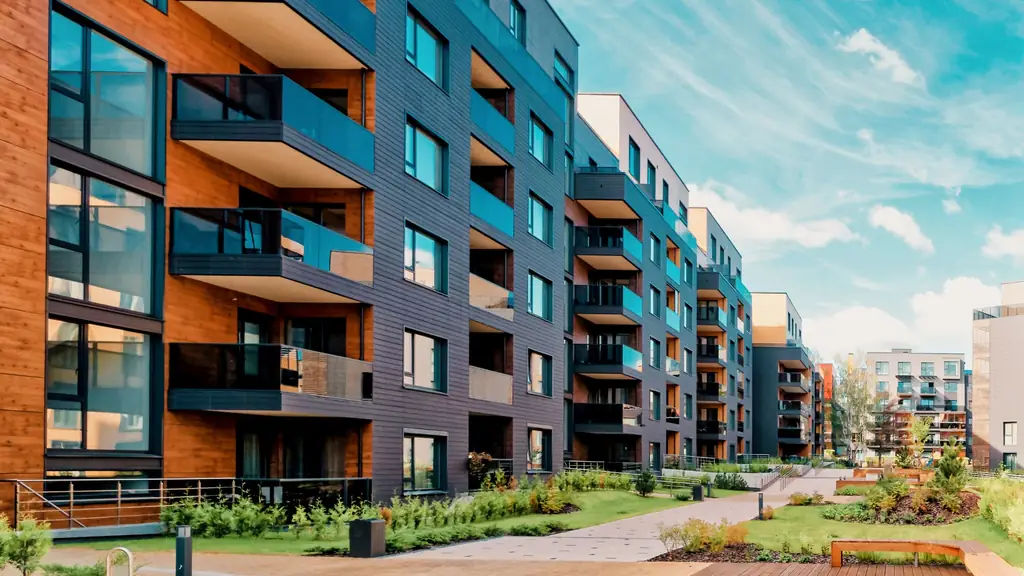
From June 11 to 13, Venice will host the 2025 IEEE MetroLivEnv. DEDALUS and DigiBUILD are co-organizing a special session on high-quality data and digital services to enhance Demand Response in the built environment.
As part of the 2025 IEEE MetroLivEnv international workshop, DEDALUS and its sister project DigiBUILD are collaborating to host a Special Session focused on advancing energy-efficient and sustainable building practices through digital transformation. This session, titled “Application of Digital Services in the Built Environment: Empowering Innovation through High-Quality Data-Driven Measurement Processes to enhance Demand Response strategies”, will highlight how cutting-edge technologies such as artificial intelligence, real-time data analytics, and demand response strategies are revolutionizing the built environment.
Innovating the Built Environment with Digital Technologies
The joint special session will dive into the practical application of digital tools and measurement techniques in enhancing the BE sector. Emphasis will be placed on the role of high-quality data and AI-driven solutions in addressing global challenges, from optimizing energy use to improving occupant comfort and well-being.
Key topics include:
- The integration of demand response strategies to optimize energy consumption, reduce peak demand, and maintain grid stability while ensuring occupant comfort.
- AI-powered methodologies for managing complex and diverse BE data.
- Real-world applications of digital tools, including energy profiling, forecasting, and smart resource management.
- Case studies that demonstrate how DR and AI technologies are driving transformative advancements in the built environment.
Call for Participation
Researchers, industry leaders, and policymakers are invited to contribute to this dynamic session. Attendees will gain insights into cutting-edge research and practical applications that demonstrate how digital technologies are shaping a sustainable and resilient built environment. Contributions are particularly welcomed from those exploring Artificial Intelligence, demand response strategies, and advanced metrology in the built environment context.
Find out the programme at this link!
(Photo Credits: Image by Roman Babakin from iSTOCK)
Share:
DEDALUS Discoveries | Revolutionising Energy communities: blockchain and game theory drive cooperation among prosumers
Researchers at the Technical University of Cluj-Napoca have developed a blockchain-based approach using evolutionary game theory to enhance cooperation, efficiency, and equity in transactive energy communities.
Researchers from the Distributed Systems Research Laboratory at the Technical University of Cluj-Napoca, a DEDALUS partner, have introduced a novel approach to enhancing efficiency and cooperation in transactive energy communities.
Published in Energy & Buildings, a prestigious peer-reviewed journal focusing on energy efficiency, sustainable design, and advanced building technologies, the Open Access study “Evolutionary Game for Incentivizing Social Cooperation of Prosumers in Transactive Energy Communities” employs evolutionary game theory, specifically the Hawk-Dove model, to optimise peer-to-peer (P2P) energy trading among prosumers—households that produce and consume energy.
In this model, prosumers adopting a “Dove” strategy align their energy usage with community needs, while “Hawks” prioritises personal gains. Implemented on a blockchain-based local energy market, the approach incentivizes collaboration by rewarding actions that benefit the community and deterring behaviors driven by personal gain.This fosters equitable energy sharing, enhances energy flexibility, and ultimately promotes overall community welfare.
Key results based on real-world energy data and blockchain-based simulations include:
- 92% of transactions evolve towards cooperative behaviours by the end of market sessions.
- Traded energy increases by up to 50%, driven by prosumers adapting their behaviours.
- Transaction costs decrease by 3%, highlighting both economic and social benefits.
“This research demonstrates how advanced game theory and blockchain technology can transform local energy markets, fostering resilience and collaboration within energy communities,” said Tudor Cioara, Director of the Distributed Systems Research Laboratory.
To learn more, download here the full paper.
Share:
Engaging Danish Politicians on Energy-Efficient Buildings

European Green Cities interviewed 11 policymakers at the Climate People’s Meeting to explore policy frameworks for integrating Demand-Response systems into Europe’s buildings and advancing carbon neutrality.
The accelerating climate crisis demands swift and innovative solutions to reduce energy consumption and increase energy efficiency.
As part of these efforts, demand-response systems have emerged as a key strategy to optimise energy use in buildings by aligning consumption with grid demands. Recognising the need for comprehensive policies to promote these technologies, European Green Cities, one of the DEDALUS partners, invited politicians for a dialogue at the Climate People’s Meeting held in Middelfart, Denmark, last summer.
Through interviews with 11 policymakers, European Green Cities gained insights into the opportunities and challenges of integrating demand-response systems into Europe’s building stock by discussing policy approaches to achieving energy-efficient, flexible, and resilient buildings across the continent. These conversations revealed diverse perspectives on how to accelerate the adoption of smart energy systems and support the broader transition to carbon-neutral societies.
Energy efficiency and demand-response systems in buildings represent two pivotal strategies for reducing energy consumption, optimising grid stability, and fostering a greener economy. These technologies offer immense potential, but unlocking it requires comprehensive policy support. During the interviews, it became evident that many topics keep coming back.
Below are suggested policy changes that could significantly enhance the role of demand-response systems in buildings, categorised under four overarching themes of Legislation, Incentives, Engagement, and Technology:
Legislation and Regulatory Framework
- A Legal Framework for Demand-Response
Develop clear and comprehensive laws to support demand-response (DR) participation, outlining rights, obligations, and ensuring robust cybersecurity measures. - Aligning Legislation with Climate Change
Regularly update energy policies to address the rapidly evolving challenges of climate change and meet emerging energy demands. - Supporting Smart Building Technologies
Establish regulations and incentives that promote the adoption of smart building systems, fostering a legal environment conducive to energy optimization. - Monitoring and Evaluation
Introduce key performance indicators (KPIs) and conduct regular reviews of energy policies to align them with technological advancements and changing market conditions.
Incentives and Financial Support
- Incentivising Energy Efficiency in Buildings
Offer financial support such as grants, tax breaks, and subsidies to encourage green construction and energy-efficient renovations. - Supporting Innovation and Technological Development
Establish funding programs and partnerships to accelerate the development of scalable energy-saving technologies. - Encouraging Private Sector Participation
Provide tax incentives and foster public-private partnerships to stimulate investments in energy-efficient technologies and DR systems.
Citizen Engagement and Accessibility
- Raising Public Awareness and Engagement
Launch public campaigns and educational initiatives to engage citizens and promote widespread adoption of DR systems. - Ensuring Fair Access to Green Energy
Guarantee equitable access to green energy and smart technologies, prioritizing underserved areas and low-income households. - Promoting Circular Energy Systems
Advocate for circular energy systems that integrate renewable energy sources and focus on reducing overall energy consumption.
Technology and Innovation
- Supporting Smart Building Technologies
Promote the use of advanced technologies, such as the Internet of Things (IoT) and energy management systems, to optimize building energy use. - Advancing Innovation and Technological Development
Invest in research and development to drive scalable, flexible energy solutions tailored to modern needs. - Monitoring and Evaluation
Leverage real-time data from smart systems to assess the effectiveness of energy efficiency initiatives and DR policies.
The Importance of Clear and Inclusive Communication
Currently, not all stakeholders fully recognize the potential of demand-response systems, underscoring the need for open and transparent dialogue. Clear and inclusive communication is crucial for the success of energy policies and the widespread adoption of DR systems and energy efficiency technologies.
When citizens, building owners, and stakeholders clearly understand the benefits—such as cost savings, reduced environmental impact, and increased convenience—they are more likely to engage actively. Simplifying complex concepts through practical guides, workshops, and clear messaging ensures that these technologies are accessible to all.
Effective communication also bridges the gap between policy and practice, fostering alignment across governments, the private sector, and consumers. Moreover, engaging the public in dialogue builds trust and a sense of ownership, helping to ensure that policies address real needs and gain widespread support.
Clarifying Leadership and Coordination in the Energy Transition
A successful energy transition, particularly the integration of demand-response systems, depends on clear leadership and well-defined roles. Yet, many stakeholders—governments, private companies, and citizens alike—often hesitate to take the first step due to concerns about technical challenges, responsibilities, and costs. This hesitation can lead to a stalemate, with parties shifting blame and avoiding accountability, resulting in confusion about leadership and direction. To address this, a structured and collaborative leadership framework is essential.
Discussions revealed that politicians view governments as the best-positioned entities to take the lead by establishing clear regulatory frameworks and setting ambitious energy goals. By leveraging legislation, incentives, and support schemes, public authorities can reduce uncertainty, providing private companies and citizens the confidence to act. Governments must initiate cross-sector dialogues and create mechanisms for ongoing collaboration to ensure alignment and momentum.
A top-down approach can provide clarity, with governments setting the framework, private companies driving technological and market-driven innovations, and citizens actively participating as critical partners. In this model, governments serve as initiators and facilitators, enabling private companies to spearhead implementation while fostering public engagement.
By aligning responsibilities and maintaining transparent communication channels, stakeholders can minimize fragmentation, ensuring a cohesive and effective transition. Clear leadership, inclusive communication, and a shared vision for sustainable energy practices are essential for achieving a coordinated and impactful energy transformation.
(Article written by European Green Cities with the support and supervision of ICONS)
Photo Credits: Frank Cilius
Share:
How can Europe’s residential sector go green? Video shows pioneering flexible consumption

A new video, produced by the EU-funded DEDALUS project, explains how advanced technology-driven energy management solutions can empower households.
Residential energy consumption accounts for 27.4% of the EU’s total energy use, significantly contributing to seasonal and daily peak demands. This presents challenges for utility providers, who must scale energy generation to maintain an uninterrupted supply.
To better balance supply and demand, the thermal energy storage and power management capabilities of buildings can be utilized—a concept known as flexible consumption—which could be pivotal for the residential sector’s transition to greener energy.
The DEDALUS project addresses this challenge by designing, developing, and demonstrating a demand response ecosystem tailored to optimize and manage automated energy consumption in residential buildings. By integrating social, technological, and business aspects, the project aims to facilitate and scale up residential energy consumers’ participation in these programs, potentially reducing their energy costs by up to 15%.
For a comprehensive overview of its innovative strategies, watch the video!
Share:
People-Tech-Energy: DEDALUS and DigiBUILD hold joint session at ENLIT 2024

In October DEDALUS and its sister project DigiBUILD participated in a dedicated session within a joint workshop organised by Smart Energy Cluster during ENLIT 2024. It focused on the development of technologies to improve the life quality of building residents in the respective pilots and the central role of the people to accelerate the energy transition.
During the joint workshop titled “Unlocking the Power of Smart Energy: A New Era in Efficiency, Flexibility, and Innovation”, organised by the Smart Energy Cluster at ENLIT 2024, the projects DEDALUS and DigiBUILD captivated the attention of industry experts and the general audience with their innovative solutions. Both projects showed how the integration of advanced technologies, data, and direct end-user involvement can revolutionise energy management and building operations, accelerating the transition toward sustainable and resilient models.
DEDALUS, presented by Diego Arnone from Engineering I.I. Spa as the project coordinator, provided an overview of how data-driven tools can transform the residential sector into a driver of energy flexibility. The coordinator focused on using cutting-edge technologies, such as Digital Twins and predictive analytics, to optimise energy consumption and enhance residential comfort.
Through its seven pilot projects in various European countries, DEDALUS is demonstrating how complex challenges can be addressed through tailored solutions. From demand response programs that balance energy consumption with comfort in senior residences to the smart management of energy communities, each pilot highlights the pivotal role of end-users. A key takeaway from the session was the importance of maintaining a continuous dialogue with residents when co-designing solutions that not only improve efficiency but also cater to people’s daily needs and overall well-being.
Similarly, DigiBUILD, represented by Elissaios Sarmas from NTUA as the scientific coordinator, presented a complementary approach focusing on digitalisation to enhance energy management and ensure greater climate resilience in buildings.
The AI-driven services developed by DigiBUILD not only enable the monitoring and forecasting of energy consumption but also provide practical tools to improve comfort and sustainability in living spaces. DigiBUILD’s digital twins are designed to integrate real-time data and offer personalised solutions for building managers, making operational management more efficient and transparent.
The project is further distinguished by its focus on comfort performance contracts, a model that guarantees energy efficiency and comfort at predetermined cost, meeting the expectations of a wide range of stakeholders, from building managers to residents themselves.
Both projects highlighted the central role of end-user engagement in the success of their initiatives. Active participation from residents, occupants, and local stakeholders was not merely encouraged but fully integrated into the design and implementation processes. From nudging programs that foster virtuous behaviours through incentives and intuitive apps to co-creation methodologies and workshops with citizens, DEDALUS and DigiBUILD have demonstrated that meaningful change cannot occur without the full support and awareness of end-users.
The other sessions in the workshop featured several projects from the cluster, each bringing a specific perspective that enriched the discussion. The InEExS project explored the use of blockchain to tokenise energy-saving data and improve models for integrated energy services. FORTESIE talked about advanced energy retrofit solutions and EPC (Energy Performance Contract) packages integrated with digital technologies. EU-MORE analysed the importance of accelerating the replacement of electric motors to reduce industrial energy consumption. RESCHOOL showcased tools for engaging energy communities through gamification and active demand management. Lastly, RESONANCE discussed the role of customer energy managers and solutions for aggregating flexibility across multi-sectoral contexts.
The variety of contributions underscored the relevance of the Smart Energy Cluster as a platform for dialogue and exchange. The diverse and yet complementary approaches that were presented offered a broader perspective on the opportunities and complexities of building a more sustainable energy future.
(Photo Credits: Fondazione ICONS)
Share:
Other updates